How to choose the right caregiver

Steve Jones • December 3, 2025

How to choose the right caregiver

Seven critical factors to consider

As our loved ones age, many require support to continue living safely and comfortably at home. Whether they need help with daily activities like meal prep and hygiene, or more complex care for conditions such as Alzheimer’s, dementia, or palliative care, the caregiver you choose will have a profound impact on their quality of life.


Selecting the right caregiver is much more than just filling a schedule. It’s about trust, compatibility, and professional excellence. For more than 20 years, In-Home Assisted Living Inc. (IHAL) has been a reliable partner for Ontario families seeking compassionate, professional in-home care. Their personalized, client-centred approach ensures that every caregiver-client match is based on more than just availability—it’s about compatibility, trust, and expertise.


Take a deeper look at how important this decision is, what you should consider when choosing a caregiver for yourself or a loved one, and how IHAL answers those requirements.


1. The right qualifications and certifications

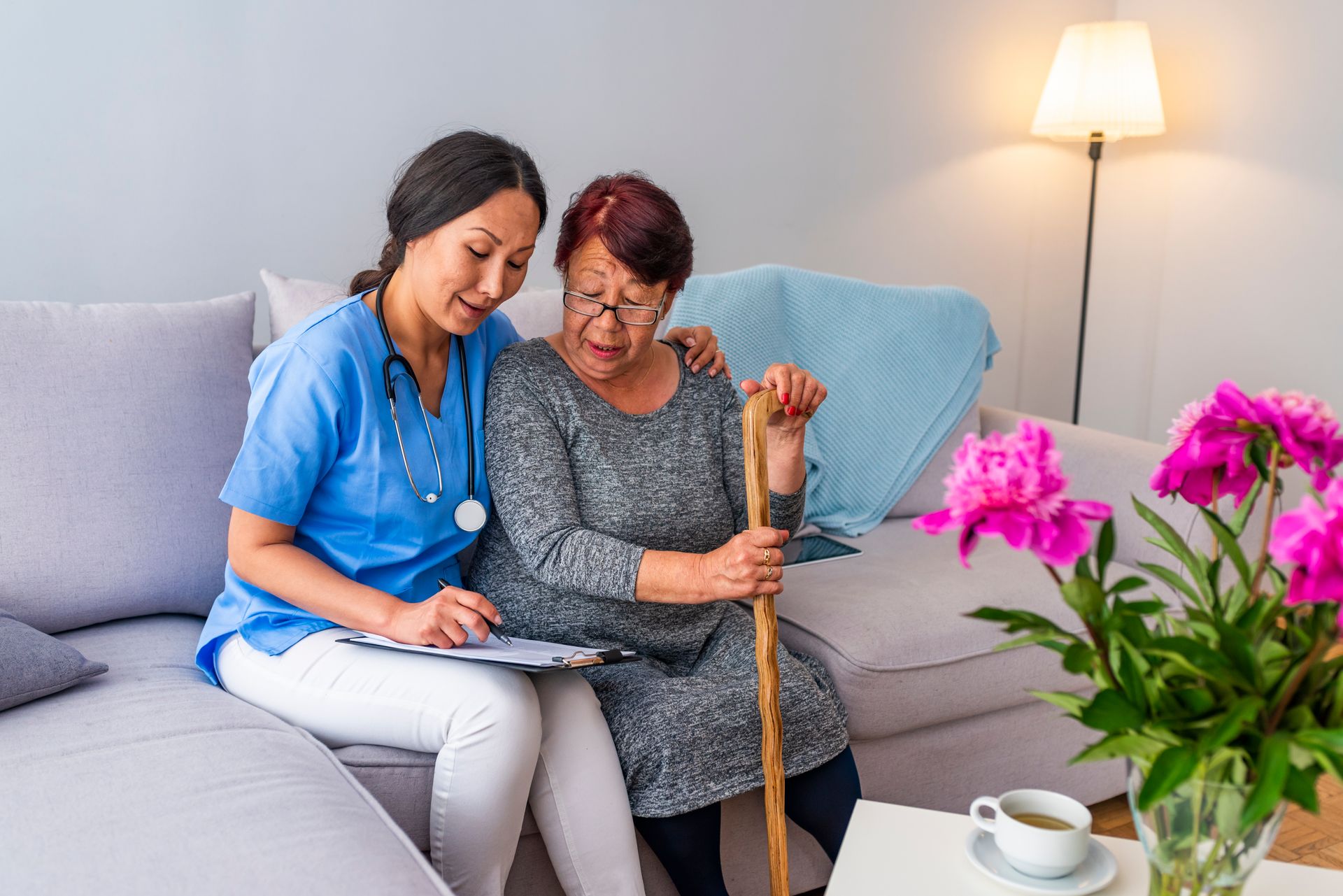
Depending on your loved one’s health status, it may be essential to hire a caregiver with medical training or formal certification. For example, a senior recovering from surgery or managing a chronic condition may need a caregiver with Personal Support Worker (PSW) qualifications or experience with palliative care.


In-Home Assisted Living’s staff hold the appropriate credentials and training. In fact, their team includes professionals experienced in dementia care, mobility assistance, and chronic illness support, ensuring each client receives care tailored to their specific needs.


2. Location and availability

Convenience matters. A caregiver who lives nearby or is familiar with your community is more likely to be punctual, flexible, and available in case of emergencies. Just as important is finding someone whose availability matches the required schedule—whether that’s a few hours a week, overnight care, or live-in support.


In-Home Assisted Living helps families develop personalized schedules that align with their needs and budget while maximizing the caregiver’s reliability and consistency.


3. Cultural fit and personality match

Caregiving is an intimate service. It works best when there’s a personal connection between caregiver and client. A strong cultural and personality fit fosters comfort, communication, and trust. This is especially true for seniors who have specific language preferences, religious practices, or dietary requirements.


IHAL’s team gets to know seniors, making thoughtful matches that support their physical health and emotional well-being.


4. Specialized experience

Seniors with cognitive decline, memory loss, or advanced physical disabilities require caregivers with specialized experience. Someone unfamiliar with Alzheimer’s, for example, might struggle to respond appropriately to challenging behaviors or safety concerns.


In-Home Assisted Living pairs clients with caregivers who have real-world experience in their area of need. They understand the nuances of progressive conditions and can adapt care plans as conditions evolve.


5. Trust and professionalism

A caregiver enters your loved one’s home, often unsupervised. That requires an exceptional level of trust. For IHAL, trust is earned through professionalism, consistency, and transparency.


That’s why every In-Home Assisted Living caregiver undergoes thorough background checks, reference reviews, and in-depth interviews. Other staff stay in touch with families to ensure peace of mind, clear communication, and quality control.


6. Cost management through customized scheduling and government support

One concern we often hear from families is about the cost of private home care. Fortunately, Ontario residents can access free home care services through Ontario Health atHome, including nursing visits, personal support, and therapy services. However, these government-provided services are typically limited in hours and scope.


To help bridge the gap, In-Home Assisted Living offers customized schedules that complement the care provided by Ontario Health atHome. By combining both resources, families can reduce out-of-pocket expenses while ensuring their loved ones receive consistent, quality care. Their team coordinates with government care providers to design an efficient, cost-effective plan tailored to your family’s specific situation.


7. Adapting to changing needs

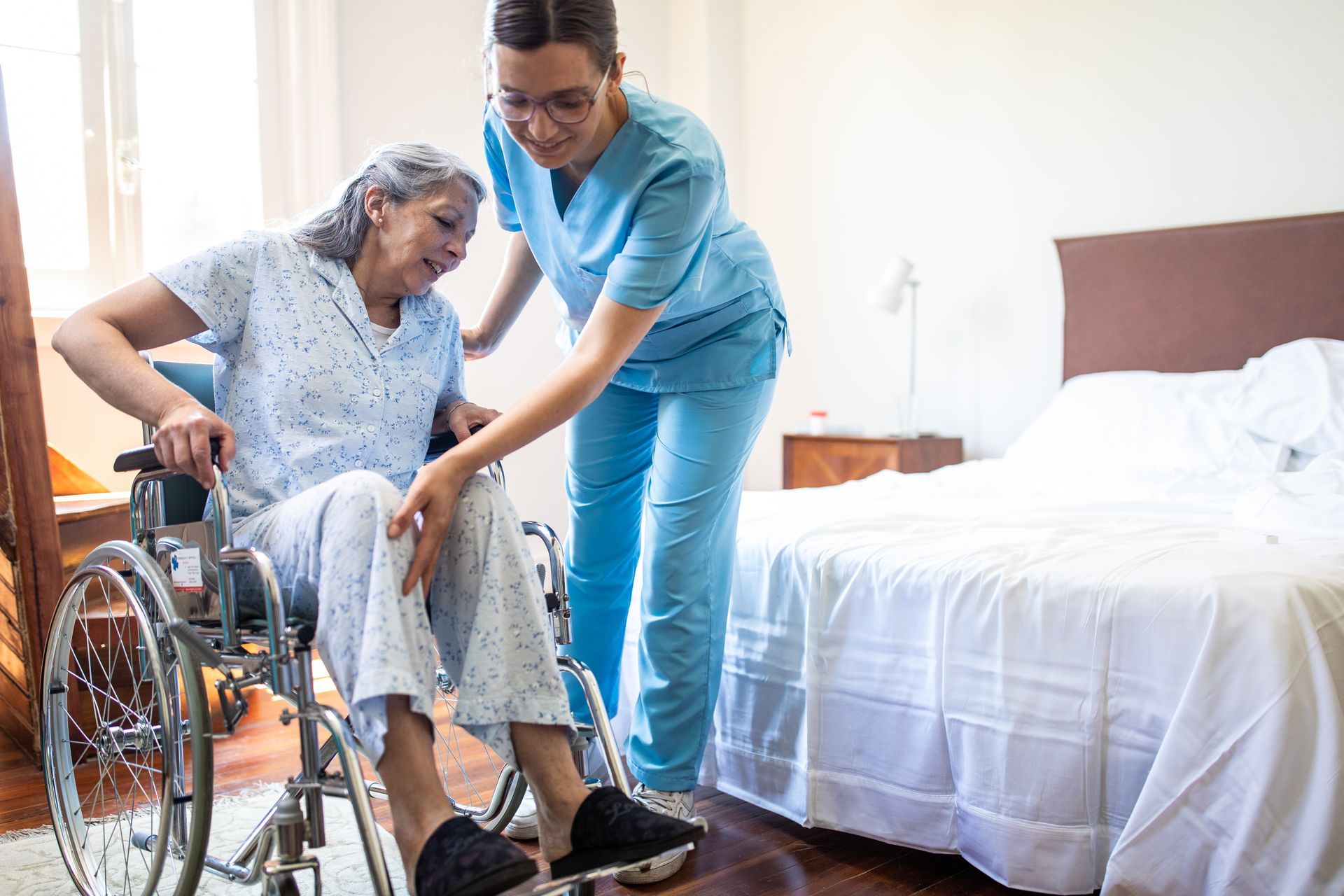
Senior care is never static. As needs evolve—whether due to a medical diagnosis, injury, or aging itself—care plans must adapt. A caregiver who was once responsible for light housekeeping may later need to assist with mobility or medication reminders.


In-Home Assisted Living Inc. monitors clients’ needs and adjusts care plans as required. This proactive approach ensures that you always receive the right level of support and stay informed every step of the way.


Final thoughts: Care that feels like family

Choosing the right caregiver is about much more than finding someone to help with tasks. It’s about dignity, respect, companionship, and peace of mind. The right caregiver becomes a trusted part of your loved one’s life—someone who helps them feel safe, valued, and cared for.


In-Home Assisted Living Inc. takes this responsibility seriously. From qualifications and trust to affordability and cultural fit, they guide families through every step of the home care journey.


If you're navigating this important decision, we invite you to contact In-Home Assisted Living Inc. and learn more about how they can help. With the right caregiver, home can remain the best place to age—with comfort, safety, and compassion.


Visit www.ihal.ca or call 416.595.5888 to learn more or to book a consultation today.


By Steve Jones May 6, 2024
Seniors remaining in the comfort and safety of home A no-nonsense look at what’s at stake for Ontario seniors and families What to know about this topic: What assistance is covered by OHIP? What services are available through private care? Comparing assisted living to home care Where seniors and families should start Over 90% of seniors want to remain in their homes for as long as possible, according to a survey by Home Care Ontario. This fits with most seniors’ ideals in terms of independence, comfort, and a need for community and familiarity, even as they adapt to changing health and safety needs. Many seniors will require some type of support to make that wish a reality. Aging at home becomes a greater challenge if they must stop driving, when stairs become difficult, or when cognitive or physical decline hinders their ability to manage a household. Plan as soon as you can, considering family support, community-based healthcare, and a private home care service like In-home Assisted Living Inc. “The most common hurdle is getting started,” says Steve Jones, President of In-Home Assisted Living. “That hinges on mom and dad acknowledging that they’re vulnerable or that they require assistance. Then they need to agree to actually accept help.” Unfortunately, too many seniors wait until a health crisis or the loss of a loved one before accepting help. When you’re researching care needs, there are four basic questions you need to deal with. What assistance is covered by OHIP? In Ontario, there is free basic government home care service provided by an organization called Home and Community Care Support Services (HCCSS). This service is covered by our healthcare system and is available to anyone with a health card. HCCSS is free for seniors, people with disabilities, injuries, and illnesses to get assistance with Activities of Daily Living (ADLs). ADLs include tasks like personal hygiene, toileting, dressing, bathing, and feeding. While these personal care services are critical to our healthcare continuum of hospital-to-home or to help reduce the frequency of rehospitalization, the government service is typically limited to three, seven, or fourteen short visits per week depending upon the severity of the patient’s condition. HCCSS is part of our Healthcare system, so it’s limited in scope and does not include safety supervision, housekeeping, meal preparation, medication management, household management, companionship, or escort services to appointments. There’s also not much flexibility in scheduling. For those things, you need a private homecare service like In-home Assisted Living Inc. What services are available through private care? Jones says many families receiving private home care services are also receiving some form of government HCCSS services which they augment or supplement with private care to ensure that all needs are met 24/7. In-Home Assisted Living employs over 300 qualified Personal Support Workers as well as Registered Practical Nurses across the GTA. Private caregivers visit clients according to a customized care plan with a predetermined schedule that can be from one to seven days per week, day or night, and from four hours to twelve hours per visit. A personal care plan is designed for every family member which includes daily routines, meals, medications, transfers and mobility safety, meal planning, personal care, exercise, housekeeping, laundry, linens, social engagement, and reporting. Every situation is unique, ranging from needs for basic housekeeping to complex medical care—including palliative care. To get a sense of the types of tasks and services that can be included in a personal care plan, a caregiver checklist is available for download here . You can also call Steve Jones to discuss home care options at (416) 595-5888 Comparing assisted living to home care Despite their wish, there is a one in three chance that seniors aged 85 or older may need to move into some form of seniors’ residence or assisted living facility if they can’t arrange enough support at home. Residences for seniors range from condo-like independent living communities to hospital-like long-term care settings depending on health, abilities, and needs. Assisted living residences are typically appropriate for seniors with some degree of independence, and do not require constant care or constant supervision. Assisted living residences range from the most basic to ultra-luxurious and prices range from $4000 to $9000 per month depending upon the facility, its services, and the selected support package. Retirement Residences can include meal plans, housekeeping, and other conveniences such as social activities, laundry, and even onsite medical appointments. Assisted Living or Senior Residences are typically not subsidized by our governmental healthcare system except for specialty facilities for those who qualify through social welfare. It's also common for seniors to choose an Assisted Living Residence because of the facilities, focus on language or culture, or location, yet they still may need to augment the facility services with some degree of Private Home Care because some Senior Residences are not designed to provide persistent one-on-one services. An Assisted Living residence may be perfect for one spouse but may not be suitable for both spouses who have significantly different health conditions and needs. Long-Term Care Facilities (LTCs) are more hospital-like or sometimes hybrid semi-private rooms and private rooms with additional medical and meal support. LTCs cater to people who would not benefit from remaining in a hospital or when it’s not cost-effective to remain in a hospital and yet they require assistance with the activities of daily living. Long-term care patients (or residents) require constant supervision or monitoring to ensure their safety or well-being and their needs cannot be met through publicly funded community-based services and other care-giving support in the community. Long-term care facilities are either government-run or contracted by them. The medical care portions in an LTC are covered by OHIP however there is an accommodation or room and board charge that will range from $2,000 and $3,000 per month depending upon the room type. Referrals to Long-term care facilities are arranged by the same case managers who work with HCCSS for government-funded home care services. Long-term Care facilities are not suitable for married couples. Many families choose to augment the facility services with some degree of Private Home Care (or bedside care) because some LTC facilities may not provide persistent one-on-one services or a staff to patient ratio that meets your family's standards. Home Care allows seniors, people with disabilities or recovering from illness to remain in the safety and comfort of their own home. Home care offers seniors a greater feeling of independence, familiarity and the flexibility to adapt and change services as health and needs change. Personal support workers are selected and assigned based upon required skills, tasks, personalities, languages, location, schedules and family preferences. Home care is also an optimal solution when one spouse requires more care than the other, relieving one spouse from the stress and physical challenges of providing constant care to their loved one. Where seniors and families should start.... Understand what independence means to you . Every person’s health needs, family support situation, financial circumstances, and wishes are unique. And, your personal understanding of what it means to be independent will also change as health and family circumstances evolve. Things are not going to remain as they are now, so its important to have a plan that is flexible. Professional support from In-Home Assisted Living will provide the flexibility to ensure the best possible outcome, now and in the future. There’s no one-size-fits-all solution and the decision process can be overwhelming especially if selling a family home to move into an assisted living residence flies in the face of lifelong assumptions. That's why professional home care support can be the perfect solution, even if its just to capture a few extra years of living out a life goal of remaining at home. Start with the first big hurdle which requires a conversation where mom and dad acknowledge that they might be (or become) vulnerable and need assistance. Making the decision to accept help can sometimes be the biggest challenge. Then do some research and call In-Home Assisted Living to discuss options, costs and care plans. In-Home Assisted Living has four GTA locations covering all of Toronto, Mississauga, North York, Scarborough, Brampton and Vaughan. Call: (416) 595-5888 or Email: care@ihal.ca
By Steve Jones April 3, 2023
Transition from family caregiver to carer