10 Home Safety Tips for Seniors: Creating a Safer Living Environment
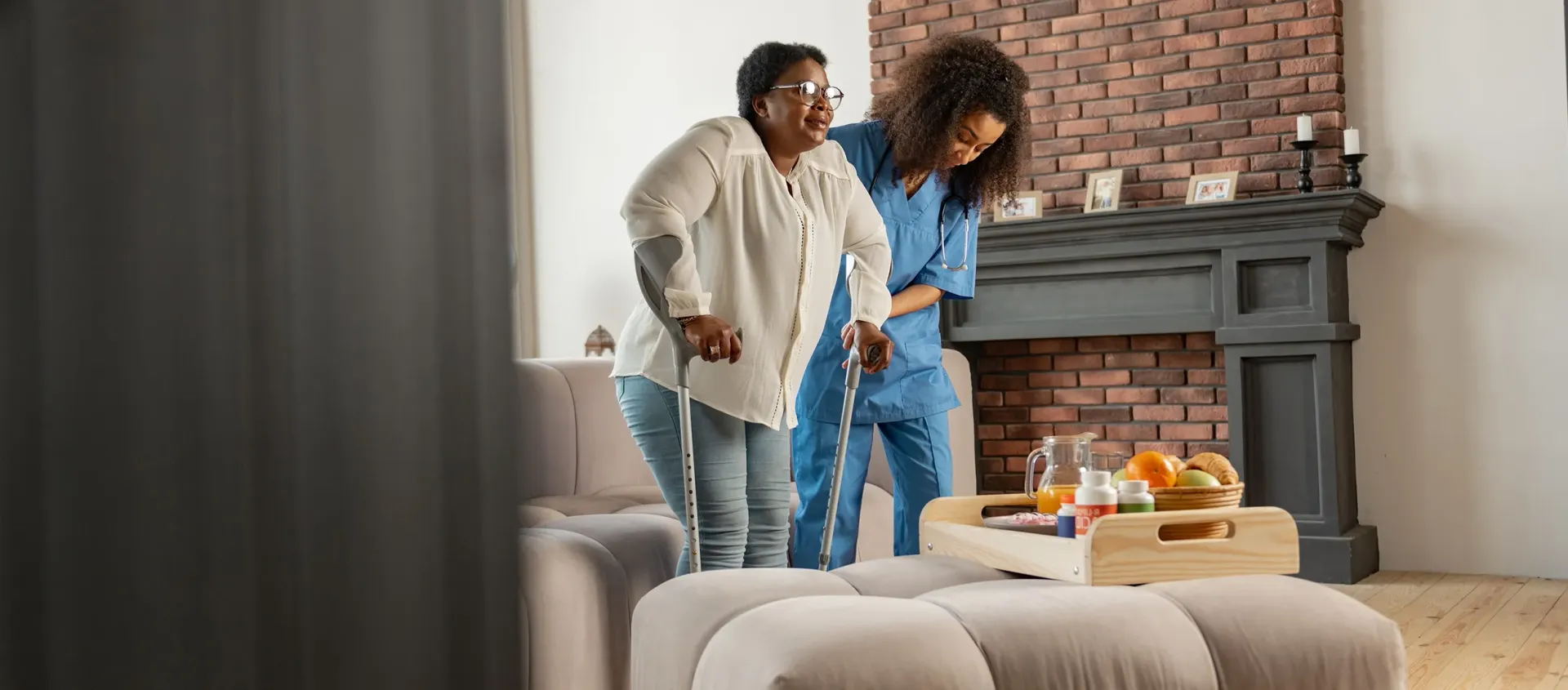
Falls and preventable injuries are among the most common reasons seniors lose independence at home. As we age, natural changes in balance, mobility, and vision can increase the risk of accidents—especially in familiar spaces like the bathroom, kitchen, and stairs.
“Falls are the leading cause of injury among older Canadians”
The good news is that small, thoughtful adjustments can dramatically improve safety and confidence. Below are practical, senior‑friendly home safety tips to help reduce risks and support aging in place.
1. Reduce Clutter and Trip Hazards
A tidy home is a safer home. Clutter—such as loose papers, shoes, bags, or electrical cords—can easily cause trips and falls.
- Keep walkways clear
- Store items in designated places
- Ensure floors are free of obstacles
2. Install Handrails on All Staircases
Sturdy handrails provide essential support.
- Install railings on both sides of the staircase
- Ensure they are securely fastened and easy to grip
3. Improve Stair Visibility
Depth perception changes with age, making stairs harder to navigate.
- Add contrasting colour strips to stair edges
- Avoid thick, plush carpeting that can catch shuffling feet
- Ensure stair lighting is bright and even
4. Use Smart Lighting Solutions
Dim lighting is a major fall risk.
- Install nightlights with timers, motion sensors, or sound activation
- Focus on bedrooms, hallways, bathrooms, and stair landings
- Consider LED strips along baseboards for soft nighttime guidance
5. Choose Proper Footwear Indoors
Socks without grips can be slippery.
- Wear non‑slip socks, slippers, or supportive indoor shoes
- Look for footwear with good ankle support and firm soles
6. Create a Safe Entryway
The front foyer is a common place for slips and balance loss.
- Place a stable chair for putting on shoes
- Use an elevated shoe rack to reduce clutter and prevent tripping
7. Remove or Secure Loose Rugs
Throw rugs and welcome mats often slide or bunch up.
- Remove them entirely when possible
- If needed, use non‑slip backing or double‑sided rug tape
8. Install Bathroom Safety Equipment
Bathrooms are the #1 location for senior falls.
- Install grab bars near toilets, tubs, and showers
- Consider a tub transfer bench for safer entry
- Consider tub and shower modifications to include a step through tub entrance, non-slip shower or tub surfaces for greater stability, handheld shower heads, or a stable wall‑mounted shower bench
- Add non‑slip mats inside and outside the tub. Be careful, some mat styles are actually more harmful than helpful.
9. Keep Outdoor Areas Clear of Snow and Ice
Canadian winters add extra risk.
- Hire reliable help to clear snow and ice
- Use salt or sand to improve traction
- Ensure outdoor lighting is bright and functional
10. Avoid High Shelves in the Kitchen
Reaching overhead increases the risk of falls.
- Store frequently used items at waist to shoulder height
- Remove step stools or ladders from the home
- Rearrange cabinets to keep essentials accessible
Take Time to Assess the Home Environment
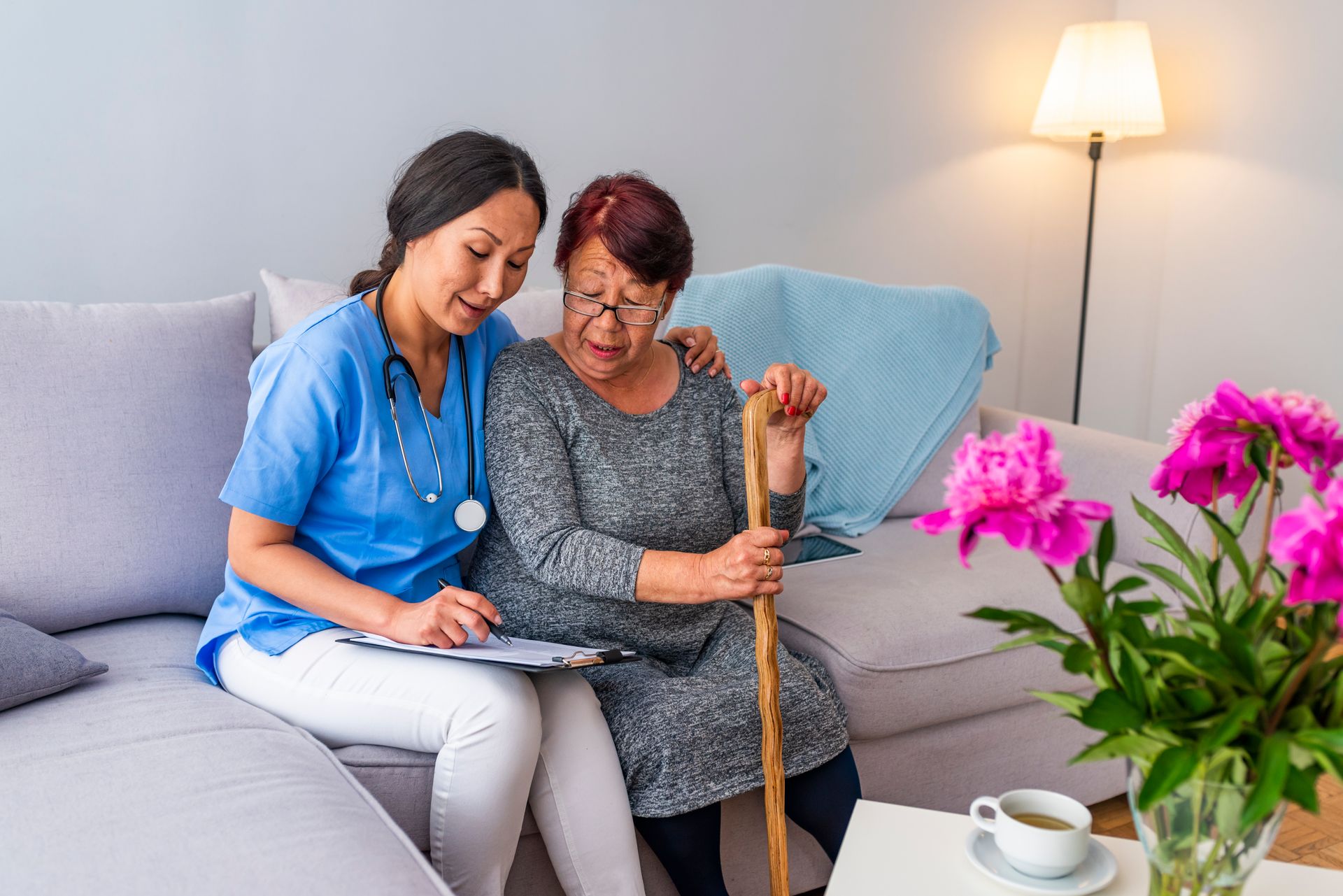
If you are a caregiver, family member, or friend supporting a senior, walk through the home together and look for potential hazards. In-Home Assisted Living can help you with preventive safety measures to reduce the risk of injury—and help seniors maintain independence, comfort, and dignity in their own homes.
Helpful Resources for Senior Safety in Ontario
These trusted organizations offer additional guidance and tools:
Public Health Agency of Canada – Fall Prevention Resources
You CAN Prevent Falls! - Canada.ca
Ontario Ministry of Health – Aging at Home Strategy
https://www.health.gov.on.ca(health.gov.on.ca)
Find a Fall Prevention Clinic in your Neighborhood
Toronto Public Health – Injury Prevention for Older Adults
Prevent Falls in Older Adults – City of Toronto
Download the Government of Canada- Safe Living Guide in PDF format
These resources can help families understand risks, explore home modification programs, and access community support.
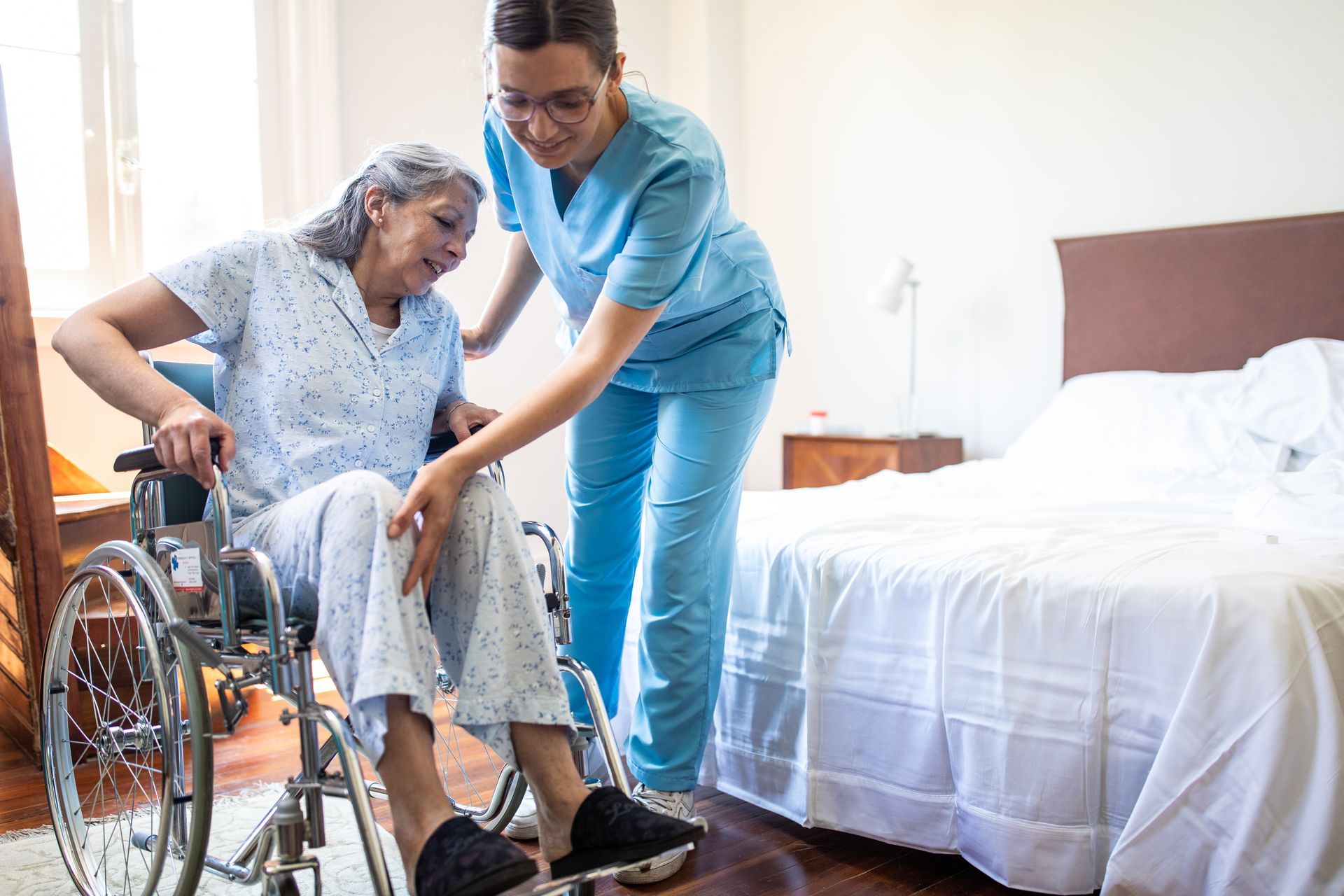
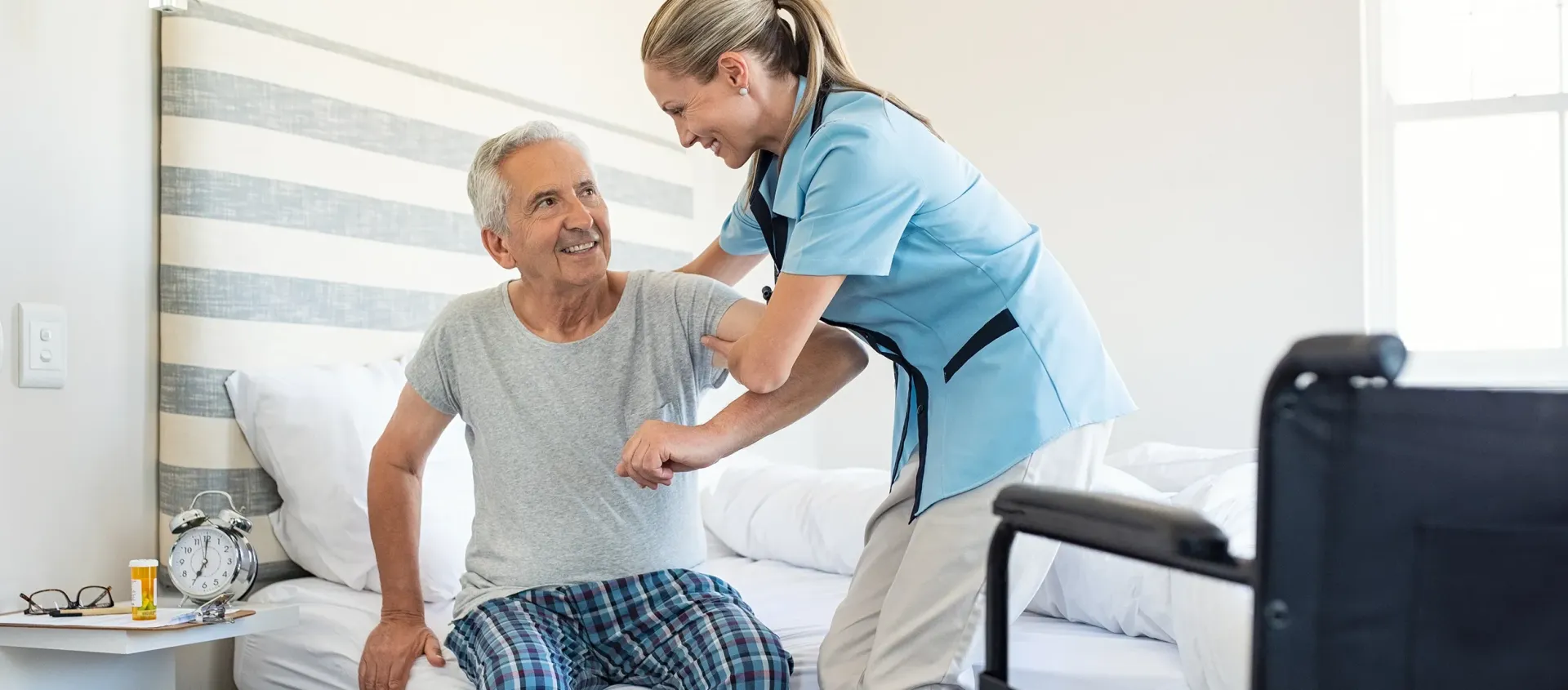
Of course, a great way to help seniors prevent injury is to utilize the professional caregiver services of In-Home Assisted Living. Our caregivers are trained and experienced in accident prevention and safety supervision including safe transfers, mobility, and personal care.
Give your loved one the safety, comfort, and support they deserve. Contact In‑Home Assisted Living today to learn how our trusted senior home‑care team helps older adults stay independent at home throughout the Greater Toronto Area.
To request a free home care assessment, click on the image below, or give us a call at 416-595-5888 or email us at care@ihal.ca
These Blogs are written by Steve Jones, President of In-Home Assisted Living Inc. The topics and content reflect the everyday discussions that Steve and the Care Managers at In-Home Assisted Living have with families about their needs and concerns.