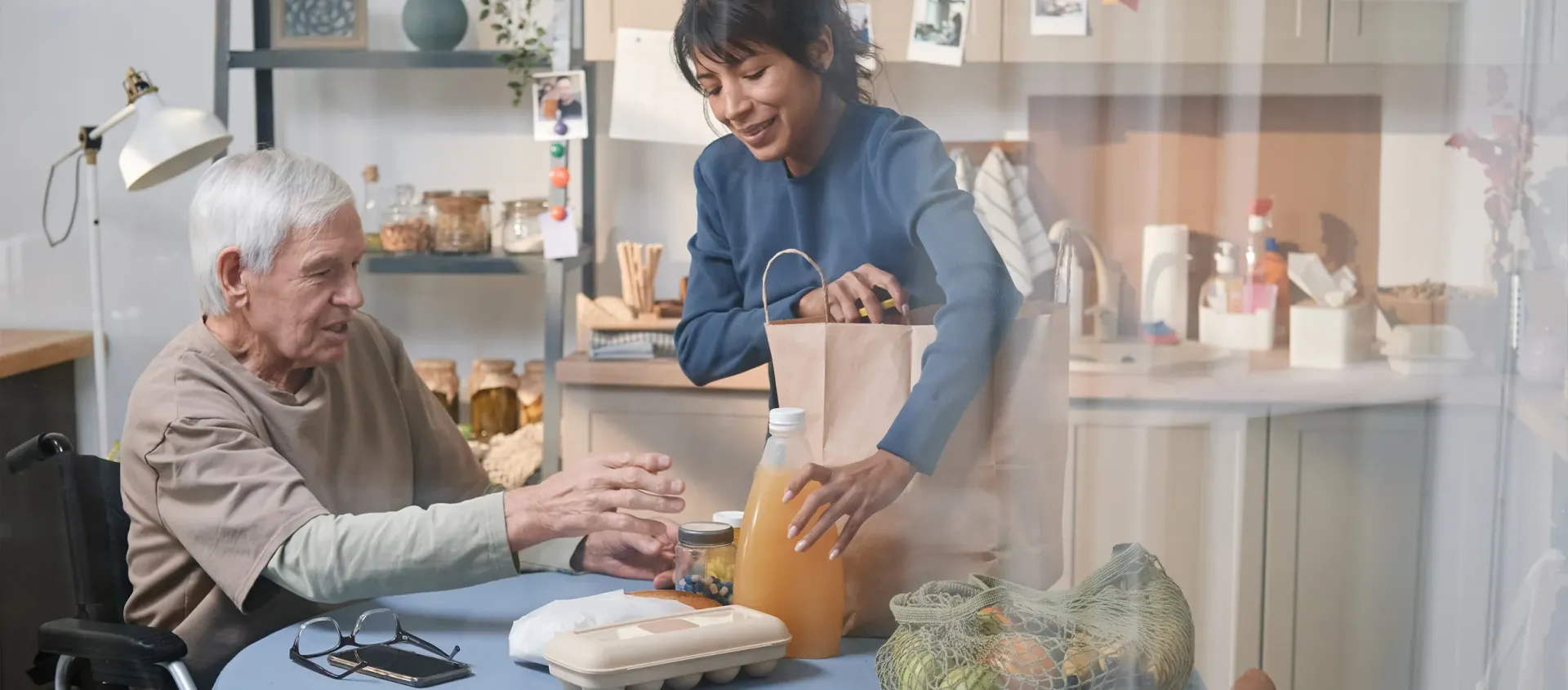
Medication Management Made Easy: Why Blister Packs Are a Lifeline for Seniors with MCI or Dementia

Steve Jones • February 22, 2026

Medication Management Made Easy: Why Blister Packs Are a Lifeline for Seniors with MCI or Dementia

Medication management becomes increasingly challenging as we age — especially for seniors living with Mild Cognitive Impairment (MCI) or Dementia. Missed doses, double doses, and confusing pill bottles can quickly lead to serious health risks. For families across Toronto, Mississauga, and the GTA, blister packs have become one of the most effective tools for keeping loved ones safe at home.


At In‑Home Assisted Living, we see every day how blister packs reduce stress, improve safety, and support independence for seniors and peace of mind for families.


đź’Š What Are Blister Packs?

Blister packs (also called compliance packs or bubble packs) are pharmacist‑prepared medication cards. Blister Packs are usually prepared by your pharmacist for FREE. They can contain both prescription and over the counter medications like vitamins or supplements.  Each sealed “bubble” contains the exact pills needed for a specific date and time — morning, noon, evening, or bedtime.

Eliminate the stress of remembering when to refill. Your pharmacist can create an automatic weekly or monthly refill schedule and deliver your blister pack right to your door.

Instead of, juggling multiple bottles or trying to remember what was taken, seniors simply push out the correct bubble at the correct time.


đź§  Why Blister Packs Are Especially Important for Seniors with MCI or Dementia

Cognitive changes make medication routines harder to follow. Blister packs provide structure, clarity, and visual cues that help seniors stay on track.

âś” Reduce Confusion

Clear labeling and time‑specific bubbles eliminate guesswork, making it easier for seniors with memory challenges to follow their schedule.

âś” Prevent Dangerous Errors

Blister packs significantly reduce the risk of missed doses or double‑dosing — two of the most common medication errors among seniors with cognitive decline.

âś” Support Memory and Routine

The predictable layout helps reinforce daily habits, which is especially helpful for individuals with early‑stage dementia.

âś” Improve Safety at Home

By simplifying medication routines, blister packs help seniors remain safely in their own homes longer — a top priority for families across the GTA.


đź§‘‍⚕️ How IHAL Caregivers Support Medication Management

Blister packs are powerful on their own, but when paired with professional caregiver support, they become even more effective. IHAL caregivers can:

  • Provide timely medication reminders
  • Ensure the correct bubble is taken at the right time
  • Monitor adherence and report concerns
  • Coordinate with pharmacies and healthcare providers
  • Assist with refills and pack changes
  • Watch for side effects or changes in health

This creates a reliable safety net for seniors who want to age in place.


🏡 A Simple Tool That Supports Independent Living

For many older adults in Toronto, Mississauga, and the GTA, blister packs are a small change that makes a big difference. They help seniors:

  • Maintain independence
  • Reduce reliance on memory
  • Avoid medication‑related hospital visits
  • Feel more confident managing their health

Families also benefit from the reassurance of being able to quickly check whether medications were taken.


🛡 Who Benefits Most from Blister Packs?

Blister packs are ideal for seniors who:

  • Live with MCI or early‑stage dementia
  • Take multiple medications
  • Have difficulty opening bottles
  • Experience memory or vision challenges
  • Feel overwhelmed by medication schedules
  • Are transitioning home after a hospital stay

They’re also extremely helpful for family caregivers who want a clear, easy way to monitor medication use.


🌟 Final Thoughts

Medication management doesn’t have to be stressful. Blister packs offer a safe, organized, and senior‑friendly solution — and when combined with professional home care support, they become one of the most effective tools for keeping seniors healthy and independent at home.

For families in Toronto, Mississauga, and the GTA, blister packs are a simple but powerful way to support loved ones living with MCI or dementia.


📞  If you’re looking for safer, simpler medication management for a loved one, In‑Home Assisted Living is here to help. Our caregivers provide reliable reminders, monitoring, and hands‑on support to keep seniors healthy and independent.


Call us today at 416.595.5888 or email care@ihal.ca to get started.


These Blogs are written by Steve Jones, President of In-Home Assisted Living Inc. The topics and content reflect the everyday discussions that Steve and the Care Managers at In-Home Assisted Living have with families about their needs and concerns.   


By Steve Jones February 22, 2026
Falls and preventable injuries are among the most common reasons seniors lose independence at home. As we age, natural changes in balance, mobility, and vision can increase the risk of accidents—especially in familiar spaces like the bathroom, kitchen, and stairs. “Falls are the leading cause of injury among older Canadians” The good news is that small, thoughtful adjustments can dramatically improve safety and confidence. Below are practical, senior‑friendly home safety tips to help reduce risks and support aging in place. 1. Reduce Clutter and Trip Hazards A tidy home is a safer home. Clutter—such as loose papers, shoes, bags, or electrical cords—can easily cause trips and falls. Keep walkways clear Store items in designated places Ensure floors are free of obstacles 2. Install Handrails on All Staircases Sturdy handrails provide essential support. Install railings on both sides of the staircase Ensure they are securely fastened and easy to grip 3. Improve Stair Visibility Depth perception changes with age, making stairs harder to navigate. Add contrasting colour strips to stair edges Avoid thick, plush carpeting that can catch shuffling feet Ensure stair lighting is bright and even 4. Use Smart Lighting Solutions Dim lighting is a major fall risk. Install nightlights with timers, motion sensors, or sound activation Focus on bedrooms, hallways, bathrooms, and stair landings Consider LED strips along baseboards for soft nighttime guidance 5. Choose Proper Footwear Indoors Socks without grips can be slippery. Wear non‑slip socks , slippers, or supportive indoor shoes Look for footwear with good ankle support and firm soles 6. Create a Safe Entryway The front foyer is a common place for slips and balance loss. Place a stable chair for putting on shoes Use an elevated shoe rack to reduce clutter and prevent tripping 7. Remove or Secure Loose Rugs Throw rugs and welcome mats often slide or bunch up. Remove them entirely when possible If needed, use non‑slip backing or double‑sided rug tape 8. Install Bathroom Safety Equipment Bathrooms are the #1 location for senior falls. Install grab bars near toilets, tubs, and showers Consider a tub transfer bench for safer entry Consider tub and shower modifications to include a step through tub entrance, non-slip shower or tub surfaces for greater stability, handheld shower heads, or a stable wall‑mounted shower bench Add non‑slip mats inside and outside the tub. Be careful, some mat styles are actually more harmful than helpful. 9. Keep Outdoor Areas Clear of Snow and Ice Canadian winters add extra risk. Hire reliable help to clear snow and ice Use salt or sand to improve traction Ensure outdoor lighting is bright and functional 10. Avoid High Shelves in the Kitchen Reaching overhead increases the risk of falls. Store frequently used items at waist to shoulder height Remove step stools or ladders from the home Rearrange cabinets to keep essentials accessible Take Time to Assess the Home Environment If you are a caregiver, family member, or friend supporting a senior, walk through the home together and look for potential hazards. In-Home Assisted Living can help you with preventive safety measures to reduce the risk of injury—and help seniors maintain independence, comfort, and dignity in their own homes. Helpful Resources for Senior Safety in Ontario These trusted organizations offer additional guidance and tools: Public Health Agency of Canada – Fall Prevention Resources You CAN Prevent Falls! - Canada.ca Ontario Ministry of Health – Aging at Home Strategy https://www.health.gov.on.ca (health.gov.on.ca) Find a Fall Prevention Clinic in your Neighborhood Find a service - Health811 Toronto Public Health – Injury Prevention for Older Adults Prevent Falls in Older Adults – City of Toronto Download the Government of Canada- Safe Living Guide in PDF format safelive-securite-eng.pdf These resources can help families understand risks, explore home modification programs, and access community support. Of course, a great way to help seniors prevent injury is to utilize the professional caregiver services of In-Home Assisted Living. Our caregivers are trained and experienced in accident prevention and safety supervision including safe transfers, mobility, and personal care. Give your loved one the safety, comfort, and support they deserve. Contact In‑Home Assisted Living today to learn how our trusted senior home‑care team helps older adults stay independent at home throughout the Greater Toronto Area. To request a free home care assessment, click on the image below, or give us a call at 416-595-5888 or email us at care@ihal.ca These Blogs are written by Steve Jones, President of In-Home Assisted Living Inc. The topics and content reflect the everyday discussions that Steve and the Care Managers at In-Home Assisted Living have with families about their needs and concerns.
By Steve Jones December 3, 2025
How to choose the right caregiver Seven critical factors to consider
By Steve Jones May 6, 2024
Seniors remaining in the comfort and safety of home A no-nonsense look at what’s at stake for Ontario seniors and families What to know about this topic: What assistance is covered by OHIP? What services are available through private care? Comparing assisted living to home care Where seniors and families should start Over 90% of seniors want to remain in their homes for as long as possible, according to a survey by Home Care Ontario. This fits with most seniors’ ideals in terms of independence, comfort, and a need for community and familiarity, even as they adapt to changing health and safety needs. Many seniors will require some type of support to make that wish a reality. Aging at home becomes a greater challenge if they must stop driving, when stairs become difficult, or when cognitive or physical decline hinders their ability to manage a household. Plan as soon as you can, considering family support, community-based healthcare, and a private home care service like In-home Assisted Living Inc. “The most common hurdle is getting started,” says Steve Jones, President of In-Home Assisted Living. “That hinges on mom and dad acknowledging that they’re vulnerable or that they require assistance. Then they need to agree to actually accept help.” Unfortunately, too many seniors wait until a health crisis or the loss of a loved one before accepting help. When you’re researching care needs, there are four basic questions you need to deal with. What assistance is covered by OHIP? In Ontario, there is free basic government home care service provided by an organization called Home and Community Care Support Services (HCCSS). This service is covered by our healthcare system and is available to anyone with a health card. HCCSS is free for seniors, people with disabilities, injuries, and illnesses to get assistance with Activities of Daily Living (ADLs). ADLs include tasks like personal hygiene, toileting, dressing, bathing, and feeding. While these personal care services are critical to our healthcare continuum of hospital-to-home or to help reduce the frequency of rehospitalization, the government service is typically limited to three, seven, or fourteen short visits per week depending upon the severity of the patient’s condition. HCCSS is part of our Healthcare system, so it’s limited in scope and does not include safety supervision, housekeeping, meal preparation, medication management, household management, companionship, or escort services to appointments. There’s also not much flexibility in scheduling. For those things, you need a private homecare service like In-home Assisted Living Inc. What services are available through private care? Jones says many families receiving private home care services are also receiving some form of government HCCSS services which they augment or supplement with private care to ensure that all needs are met 24/7. In-Home Assisted Living employs over 300 qualified Personal Support Workers as well as Registered Practical Nurses across the GTA. Private caregivers visit clients according to a customized care plan with a predetermined schedule that can be from one to seven days per week, day or night, and from four hours to twelve hours per visit. A personal care plan is designed for every family member which includes daily routines, meals, medications, transfers and mobility safety, meal planning, personal care, exercise, housekeeping, laundry, linens, social engagement, and reporting. Every situation is unique, ranging from needs for basic housekeeping to complex medical care—including palliative care. To get a sense of the types of tasks and services that can be included in a personal care plan, a caregiver checklist is available for download here . You can also call Steve Jones to discuss home care options at (416) 595-5888 Comparing assisted living to home care Despite their wish, there is a one in three chance that seniors aged 85 or older may need to move into some form of seniors’ residence or assisted living facility if they can’t arrange enough support at home. Residences for seniors range from condo-like independent living communities to hospital-like long-term care settings depending on health, abilities, and needs. Assisted living residences are typically appropriate for seniors with some degree of independence, and do not require constant care or constant supervision. Assisted living residences range from the most basic to ultra-luxurious and prices range from $4000 to $9000 per month depending upon the facility, its services, and the selected support package. Retirement Residences can include meal plans, housekeeping, and other conveniences such as social activities, laundry, and even onsite medical appointments. Assisted Living or Senior Residences are typically not subsidized by our governmental healthcare system except for specialty facilities for those who qualify through social welfare. It's also common for seniors to choose an Assisted Living Residence because of the facilities, focus on language or culture, or location, yet they still may need to augment the facility services with some degree of Private Home Care because some Senior Residences are not designed to provide persistent one-on-one services. An Assisted Living residence may be perfect for one spouse but may not be suitable for both spouses who have significantly different health conditions and needs. Long-Term Care Facilities (LTCs) are more hospital-like or sometimes hybrid semi-private rooms and private rooms with additional medical and meal support. LTCs cater to people who would not benefit from remaining in a hospital or when it’s not cost-effective to remain in a hospital and yet they require assistance with the activities of daily living. Long-term care patients (or residents) require constant supervision or monitoring to ensure their safety or well-being and their needs cannot be met through publicly funded community-based services and other care-giving support in the community. Long-term care facilities are either government-run or contracted by them. The medical care portions in an LTC are covered by OHIP however there is an accommodation or room and board charge that will range from $2,000 and $3,000 per month depending upon the room type. Referrals to Long-term care facilities are arranged by the same case managers who work with HCCSS for government-funded home care services. Long-term Care facilities are not suitable for married couples. Many families choose to augment the facility services with some degree of Private Home Care (or bedside care) because some LTC facilities may not provide persistent one-on-one services or a staff to patient ratio that meets your family's standards. Home Care allows seniors, people with disabilities or recovering from illness to remain in the safety and comfort of their own home. Home care offers seniors a greater feeling of independence, familiarity and the flexibility to adapt and change services as health and needs change. Personal support workers are selected and assigned based upon required skills, tasks, personalities, languages, location, schedules and family preferences. Home care is also an optimal solution when one spouse requires more care than the other, relieving one spouse from the stress and physical challenges of providing constant care to their loved one. Where seniors and families should start.... Understand what independence means to you . Every person’s health needs, family support situation, financial circumstances, and wishes are unique. And, your personal understanding of what it means to be independent will also change as health and family circumstances evolve. Things are not going to remain as they are now, so its important to have a plan that is flexible. Professional support from In-Home Assisted Living will provide the flexibility to ensure the best possible outcome, now and in the future. There’s no one-size-fits-all solution and the decision process can be overwhelming especially if selling a family home to move into an assisted living residence flies in the face of lifelong assumptions. That's why professional home care support can be the perfect solution, even if its just to capture a few extra years of living out a life goal of remaining at home. Start with the first big hurdle which requires a conversation where mom and dad acknowledge that they might be (or become) vulnerable and need assistance. Making the decision to accept help can sometimes be the biggest challenge. Then do some research and call In-Home Assisted Living to discuss options, costs and care plans. In-Home Assisted Living has four GTA locations covering all of Toronto, Mississauga, North York, Scarborough, Brampton and Vaughan. Call: (416) 595-5888 or Email: care@ihal.ca
By Steve Jones April 3, 2023
Transition from family caregiver to carer