Discovering Homecare and Senior Care in Toronto and Mississauga: Your Family’s Guide to Support and Peace of Mind

Steve Jones • March 1, 2026

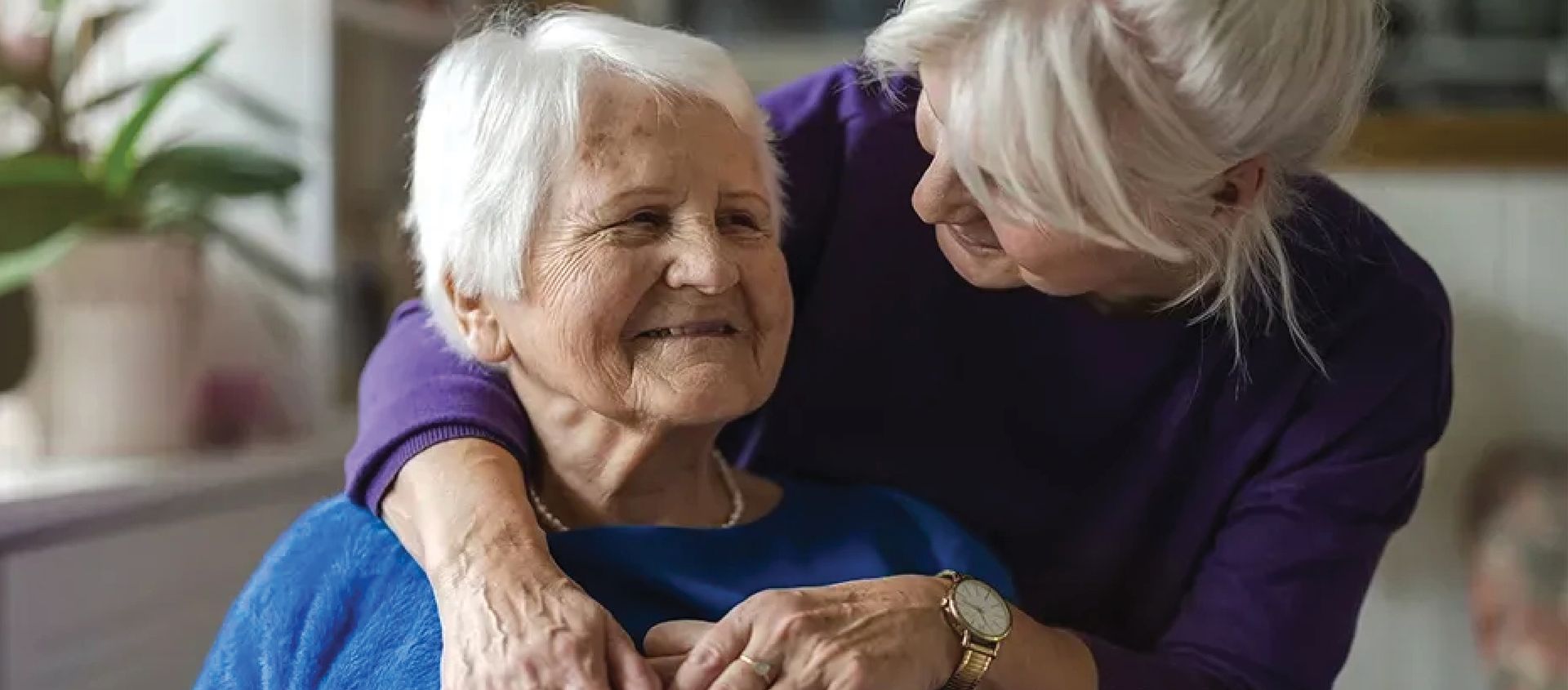
Is your family searching for compassionate homecare or senior care in the Greater Toronto Area? Navigating health concerns can feel overwhelming. But you’re not alone. The Ontario government combined with In-Home Assisted Living offer a wealth of resources in in the GTA including Toronto and Mississauga to help you care for your loved ones, right at home.


Ontario Health811: Your 24/7 Connection to Expert Advice

Imagine having a nurse on call, day or night, ready to answer your questions and guide you to the right care. That’s the promise of Ontario Health811. Simply dial 811 or visit https://health811.ontario.ca/ for instant access to:

  • Find a Doctor or Nurse Practitioner: Quickly locate professionals accepting new patients in Toronto and the GTA.
  • Local Health Services: Discover nearby clinics, labs, and physiotherapists.
  • Symptom Assessment: Use easy online tools or chat live with a nurse to understand your health concerns.
  • Medical Library: Explore trusted information about medical conditions and treatments.
  • Senior Care Services: Access homecare, dementia support, long-term care, and palliative care resources.


Remember: For emergencies, always call 911. Health811 is here for guidance, not emergency care.


Ontario Health atHome, Government provided Homecare and Related Services.

If you require health care or personal support in your home, Ontario Health atHome could help you get back on track. Government provided care coordinators work with you to determine the right care and health supports that you could qualify for.


Ontario Health atHome is NOT income based.  Everyone with a health card qualifies.  It only makes sense to take advantage of the heath care services that are available to all of us. Services include nursing, physiotherapy, occupational therapy, nutritional counseling, speech therapy, social work, personal support, and some medical equipment.


Most people are introduced to Ontario Health atHome by a discharge planner after a hospital stay, but anyone can pick up the phone and get the assessment process started for a family member, friend or neighbour.  Just call 310-2222.   


Blending Government and Private Homecare for the Best Results

Every family’s needs are unique. In Toronto, Mississauga and surrounding area you can combine government-funded services with private homecare for a truly personalized approach.


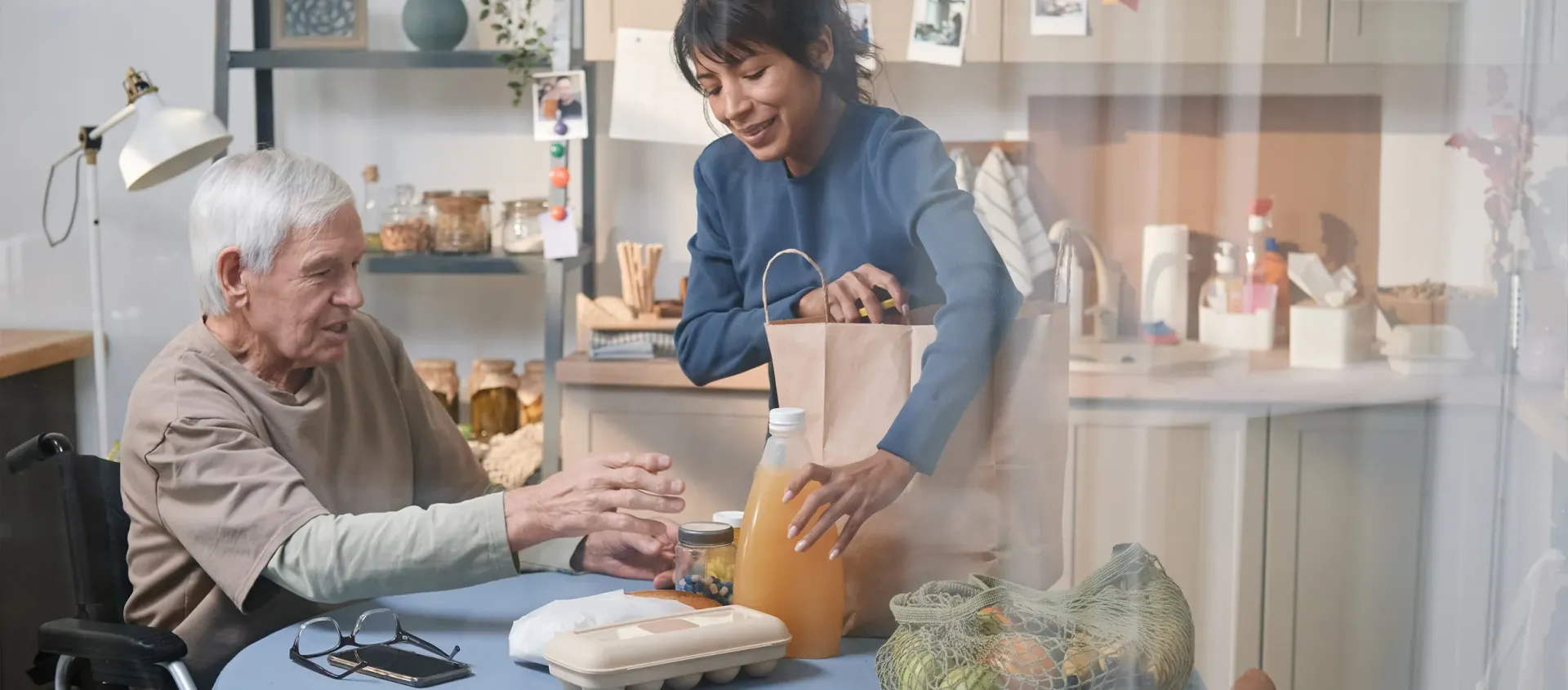
If your loved one needs extra help, and more time with caregivers for companionship, safety supervision, medication reminders, or meal preparation, that’s where private homecare shines. Providers such as In-Home Assisted Living deliver flexible, in-home support tailored to your family’s lifestyle and budget. By blending public and private options, you can create a care plan that brings comfort, safety, and dignity to your loved ones.


Why Choose In-Home Assisted Living in the GTA?

At In-Home Assisted Living, we’re more than caregivers—we’re your partners in navigating Toronto’s healthcare maze. Our team helps families unlock government resources and supplement them with private care, ensuring every need is met. Whether you need full-time support or just a few hours a week, we design care plans that fit your life and your budget.


Quick Contacts for Toronto and Mississauga Families

Choosing homecare or senior care in the Greater Toronto Area doesn’t have to be stressful. With the right mix of government and private services, your family can enjoy peace of mind and the highest quality of care. Reach out to In-Home Assisted Living today—let’s build a brighter, safer future for your loved ones, together.


Call: 416.595.5888

Email: care@ihal.ca


Download a Caregiver Checklist: Caregiver Checklist | In-Home Assisted Living Toronto & areas


These Blogs are written by Steve Jones, President of In-Home Assisted Living Inc. The topics and content reflect the everyday discussions that Steve and the Care Managers at In-Home Assisted Living have with families about their needs and concerns.   


By Steve Jones March 15, 2026
When a person is injured in a motor vehicle accident, recovery rarely ends at the hospital doors. Under Ontario’s Statutory Accident Benefits Schedule (SABS) , many individuals are entitled to attendant care services to support daily living during rehabilitation—or permanently, in the case of catastrophic injuries. The Occupational Therapists (OTs) completing your Form 1 Attendant Care Assessment , understands what types of care is typically funded—and who is qualified to deliver that care. Your Occupational Therapist Case Manager properly complete the Form 1 and submit it to the insurance companies. This is essential to ensuring timely, compliant, and client-centred outcomes. You do not need to be a driver or a passenger in a car to qualify for benefits. Every driver and automobile should be insured, not only to cover their own injuries but also the injuries of others that they may have caused. What Is Attendant Care Under SABS? Attendant care is designed to support individuals who, as a result of an auto injury, require assistance with Activities of Daily Living (ADLs). Funding eligibility is based on functional need, not diagnosis alone, and must be supported by a Form 1 assessment completed by a qualified OT or RN. Services must be reasonable and necessary , directly related to the auto injury, and delivered by a licensed and compliant provider such as In-Home Assisted Living. Types of Attendant Care Commonly Approved Under SABS, attendant care generally falls into three core categories reflected on Form 1: 1. Personal Care This includes hands-on assistance with: Bathing and grooming Dressing and undressing Toileting and continence care Feeding and mobility support These supports are frequently required following orthopedic injuries, neurological trauma, spinal cord injuries, or post-surgical recovery. 2. Essential Household Assistance When injuries prevent an individual from safely managing their home, attendant care may include: Meal preparation Light housekeeping related to personal use Laundry Medication reminders (non-nursing) This category is particularly relevant for clients transitioning home from hospital or inpatient rehabilitation. 3. Safety Supervision Some auto injuries—such as traumatic brain injury, cognitive impairment, or severe chronic pain—create safety risks that require ongoing supervision. This may include: Cueing and redirection Fall prevention Monitoring for unsafe behaviours Supervision is often misunderstood, but when properly justified on Form 1, it is a critical and fundable component of attendant care. Catastrophic vs. Non-Catastrophic Injuries While catastrophic injuries typically allow for higher funding limits and longer durations of care, many non-catastrophic auto injuries still qualify for meaningful attendant care benefits—especially during the acute and sub-acute phases of recovery. Regardless of injury classification, insurers expect: Clear functional rationale Accurate time allocations Services delivered by qualified providers Why the Attendant Care Provider Matters Insurers increasingly scrutinize attendant care claims—not just the assessment, but who delivers the care. For Occupational Therapists, partnering with a provider that understands SABS requirements can significantly reduce delays, denials, and administrative burden. In-Home Assisted Living (ihal.ca) is: Fully qualified and licensed to provide attendant care under Ontario auto insurance Experienced in supporting Form 1-based care plans Familiar with insurer documentation, invoicing, and compliance standards Able to supply PSWs, attendants, and supervised care staff across Toronto, Mississauga, and the GTA Our care model is designed to align with OT recommendations—ensuring that what is assessed is what is delivered. Supporting Recovery Beyond the Assessment Attendant care is not just about meeting insurance criteria—it’s about enabling recovery, dignity, and safety at home. When care is implemented correctly, clients experience: Reduced hospital readmissions Improved rehabilitation outcomes Greater independence and quality of life For OTs, having confidence in the care provider means fewer follow-ups, fewer insurer disputes, and better outcomes for your clients. Partner With a Provider That Understands SABS If you have been injured in an automobile accident or you are an OT who regularly completes Form 1 Attendant Care Assessments and are seeking a reliable, compliant attendant care provider for auto injury clients, In-Home Assisted Living is here to support you. We work collaboratively with Occupational Therapists, insurers, personal injury lawyers and case managers to ensure that approved attendant care is delivered accurately, professionally, and without unnecessary friction. Learn more at ihal.ca or connect with our care coordination team to discuss how we support Auto Injury Home Care across Toronto, Mississauga, and the GTA . Call: 416-595-5888 Email: care@ihal.ca These Blogs are written by Steve Jones, President of In-Home Assisted Living Inc. The topics and content reflect the everyday discussions that Steve and the Care Managers at In-Home Assisted Living have with families about their needs and concerns.
By Steve Jones March 10, 2026
Choosing in‑home care for a senior loved one is a big decision. You’re not just hiring help—you’re inviting someone into your home and trusting them with the safety, dignity, and wellbeing of someone you care deeply about. That’s why background screening, especially police record checks , plays such an important role in senior home care. At In‑Home Assisted Living Inc. , we support seniors and families across the Greater Toronto Area , including Mississauga, Toronto, Brampton, and surrounding communities. One of the most common questions families ask us is: “How do I know a caregiver is safe and trustworthy?” The answer starts with proper screening. What Is a Police Record Check—and Why Does It Matter? A police record check helps identify whether a caregiver has a criminal history that could put a senior at risk. In in‑home senior care, caregivers often work one‑on‑one in private settings. They may assist with: Personal care like bathing and dressing Mobility and transfers Medication reminders Companionship and supervision Sometimes even handling household routines or finances Because seniors receiving care at home are considered a vulnerable population , it’s critical that caregivers are carefully vetted. Interviews and references are helpful—but they should never replace formal background checks . Police Record Checks in Ontario: What Families Should Know In Ontario, police record checks are regulated under the Police Record Checks Reform Act, 2015. This law ensures consistency and fairness in how background information is collected and shared. There are three main types of police record checks in Ontario: 1. Criminal Record Check (CRC) This is the most basic check and only shows criminal convictions. While it may be acceptable for some jobs, it is not enough for in‑home senior care. 2. Criminal Record and Judicial Matters Check (CRJMC) This check includes convictions, outstanding charges, and certain court orders. It offers more detail, but still may not fully address risks when working closely with vulnerable seniors. 3. Vulnerable Sector Check (VSC) – The Gold Standard A Vulnerable Sector Check is the highest level of screening and the required standard for caregivers working with seniors. Any role involving trust, authority, or close personal contact with older adults should require a VSC. A Vulnerable Sector Check may reveal: Relevant criminal convictions Certain non‑conviction information (under strict legal guidelines) Findings of Not Criminally Responsible due to mental disorder Record suspensions (pardons) for sexual offences , which is especially important when working with vulnerable individuals For personal support workers (PSWs), home care aides, and live‑in caregivers , a current Vulnerable Sector Check is essential. Important note: Vulnerable Sector Checks must be obtained through the caregiver’s local police service , not third‑party background check websites. Why This Matters So Much in Senior Home Care In‑home caregivers often work independently, behind closed doors, without constant supervision. Seniors may rely on them for intimate personal care or daily support. That level of trust requires a higher standard of screening. Families deserve peace of mind knowing that the caregiver in their home has been thoroughly vetted and is suitable for a position of trust. How In‑Home Assisted Living Inc. Protects Seniors and Families At In‑Home Assisted Living Inc., safety is never an afterthought. Every caregiver we place in a client’s home goes through a comprehensive screening process that includes: In‑depth interviews Current Vulnerable Sector police record checks Identity verification Reference checks Review of credentials and qualifications Ongoing oversight and monitoring This layered approach helps ensure our caregivers are not only skilled and compassionate, but also safe and trustworthy. Questions Families Should Ask Any Home Care Provider If you’re comparing home care or senior care providers in the GTA, don’t be afraid to ask important questions, such as: Do all caregivers have a current Vulnerable Sector Check? How often are background checks renewed? Do you comply with Ontario’s Police Record Checks Reform Act? What safeguards are in place to protect seniors in private homes? Does the agency carry proper insurance, including coverage for theft, dishonesty, malpractice, and third‑party liability? Reputable home care providers will welcome these questions and answer them clearly. Safe, Trusted In‑Home Senior Care Across the GTA Choosing in‑home senior care is a deeply personal decision. Proper caregiver screening isn’t just best practice—it’s a responsibility. At In‑Home Assisted Living Inc. , we are proud to provide safe, professional, and compassionate in‑home senior care throughout the Greater Toronto Area , built on strict screening standards and a genuine commitment to dignity and respect. If you’re looking for trusted home care, senior care, or personal support services for a loved one, we’re here to help. Visit www.ihal.ca or contact In‑Home Assisted Living Inc. today to learn more about our carefully screened caregivers and personalized in‑home care services. 🌐 Visit www.ihal.ca or call us to schedule a personalized care consultation. In-Home Assisted Living: Call: 416-595-5888 Email: care@ihal.ca These Blogs are written by Steve Jones, President of In-Home Assisted Living Inc. The topics and content reflect the everyday discussions that Steve and the Care Managers at In-Home Assisted Living have with families about their needs and concerns.
By Steve Jones March 8, 2026
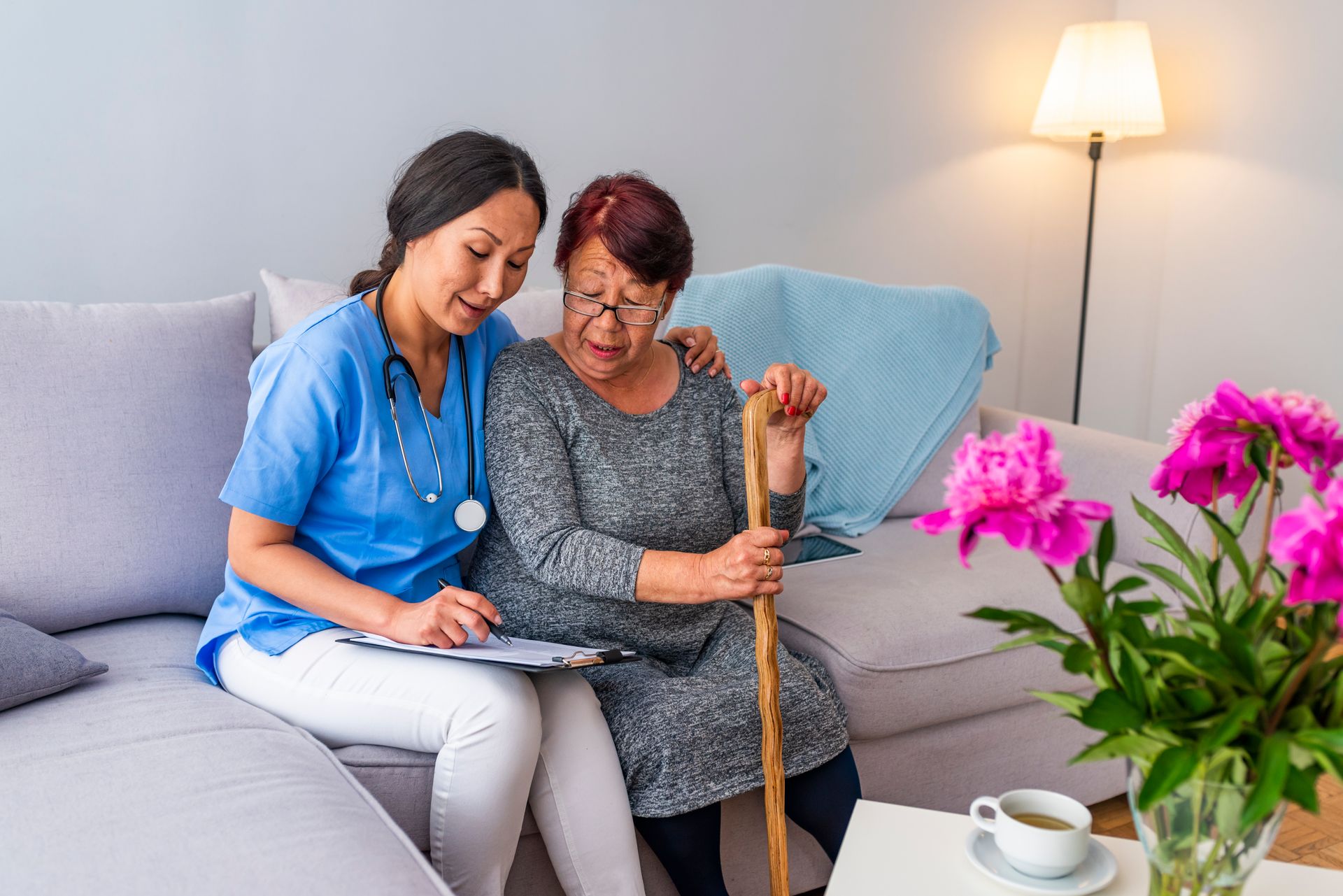
What Is Covered by OHIP—and What’s Not? Many people believe “Canadian Universal Healthcare” means healthcare is consistently available to everyone, or that “universal” means public and free. In reality, Canadian healthcare is neither consistent from province to province nor always public or free. Understanding “Universal” Healthcare in Ontario Healthcare services are governed at the provincial level, so each province approaches essential services differently. It’s misleading to claim we have universal or consistent standards across Canada. In Ontario, while many healthcare services are funded by the government, most are provided by private industry. Hospitals are typically publicly owned and operated, but most doctors are private practice owners who bill the government for their services. Nurses and support staff are hospital employees, but most physicians work independently and charge OHIP (Ontario Health Insurance Plan) on a fee-for-service basis. Similarly, most imaging clinics, labs, therapists, equipment providers, and home care providers are private businesses. They either bill the end user directly or contract with the government to bill for their services. Our healthcare system is a complex mix of private practices, private insurance, government insurance, outsourcing, not-for-profit agencies, and some government-run services. Most people don’t fully understand how it all fits together—and honestly, nobody does! The real challenge during a medical crisis is figuring out what services are available and who pays for what. Home Care Services in Ontario: Free or Private? Did you know that in Ontario, beyond the most basic needs, you are often responsible for finding and paying for your own caregivers and home care services? Some home care “tasks” are covered by the government, but most needs or circumstances are NOT covered by OHIP. What Is Covered? Activities of Daily Living (ADLs)—such as bathing, grooming, dressing, toileting, mobility, eating, and continence—are considered essential personal-care tasks. Ontario Health atHome will assess seniors and people with illness or disability to determine eligibility for assistance. This assessment is not based on income, family status, or available family support, but solely on which ADLs a person struggles with and the associated safety or health risks. How Much Help Can a Senior Receive for Free? Disclaimer: This is not official advice. Policies at Ontario Health atHome change frequently and depend on each Case Manager’s assessment and resource availability. Your experience may differ from your neighbor’s. The following is an oversimplified, unofficial guide to help you prepare for conversations with Ontario Health atHome. People tend to qualify for Personal Support Worker (PSW) assistance at six different levels: Minimal – 3 one-hour visits per week for safe bathing or showering. Daily Basic – One hour per day, 7 days a week, for dressing, personal care, mobility, feeding, and toileting. Daily AM and PM – Two visits per day (max one hour each), 7 days a week, for morning and evening routines. Temporary Advanced Care – Customized daily care (daytime only), exceeding 14 hours per week, for palliative patients or those waiting for long-term care placement. Family Managed Home Care Program – Funding is provided to families to arrange, hire, and manage care themselves, typically for children with complex needs, adults with acquired brain injury, or seniors with extraordinary circumstances. Caregiver Distress Supports – Up to 8 additional hours per month for respite, available to existing patients when standard plans are insufficient for family caregivers experiencing burnout. These hours can be bundled for flexibility. Quick Contacts for Toronto and Mississauga Families Ontario Health atHome: Dial 310-2222 https://www.ontario.ca/page/home-care-seniors Private Home Care: For Those Who Need More If your family needs more than the short, infrequent visits that are offered by Ontario Health atHome, or requires care beyond basic ADLs, you’ll need to either provide the services yourself or work with a professional private service like In-Home Assisted Living. Private care plans with In-Home Assisted Living focus on: · Matching caregivers’ personalities and skills to clients, · Ensuring consistency of caregivers, · Providing reliable schedules (including nights and weekends) so families can manage their other responsibilities. · Developing full Care Plan services that include cooking, laundry, companionship, safety supervision, and escorts to appointments and activities. For a detailed list of services, download our https://www.ihal.ca/caregiver-checklist Choosing Homecare or Senior Care in the GTA Choosing the right mix of government and private services doesn’t have to be stressful. With the right support, your family can enjoy peace of mind and the highest quality of care. Combine your services from Ontario Health atHome with the professional private services of In-Home Assisted Living today—let’s build a brighter, safer future for your loved ones, together. Contact Us for a Free Consultation in the Greater Toronto Area. Have questions or need help building a care plan? Contact us today for a free, no-obligation consultation. In-Home Assisted Living: Call: 416-595-5888 Email: care@ihal.ca Website: https://www.ihal.ca/ These Blogs are written by Steve Jones, President of In-Home Assisted Living Inc. The topics and content reflect the everyday discussions that Steve and the Care Managers at In-Home Assisted Living have with families about their needs and concerns.
By Steve Jones March 3, 2026
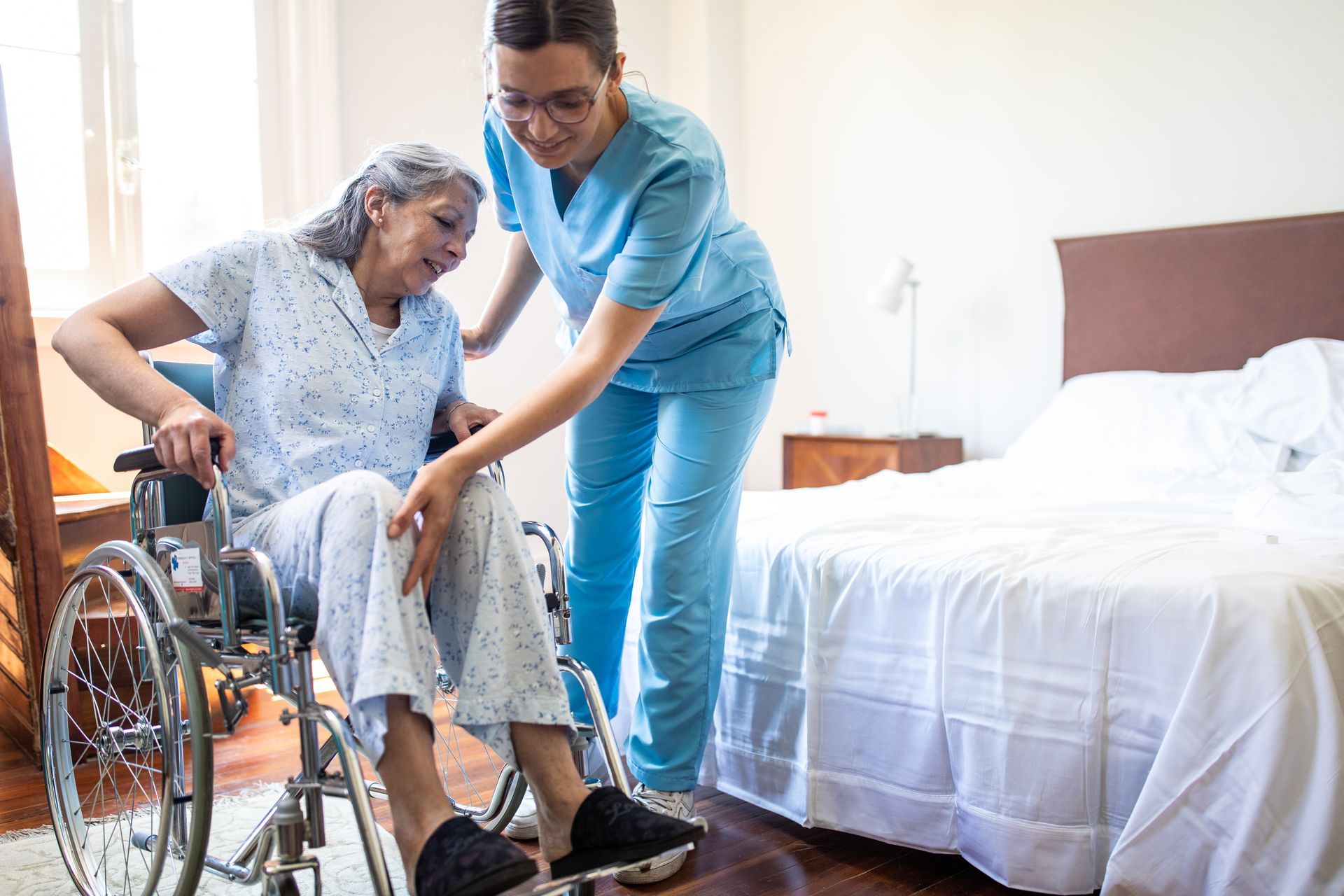
Many families in the Greater Toronto Area are noticing that seniors who have spoken English for decades begin reverting to their first language as they age. This shift is especially common among older adults living with dementia or other cognitive changes. For families seeking reliable Home Care , Senior Care , or Dementia Care , understanding why this happens—and how to support a loved one through it—is essential. At the same time, the GTA is facing a shortage of multilingual caregivers and PSWs, particularly in languages such as Italian, Portuguese, Spanish, Chinese, and Polish or Ukrainian. This shortage directly affects the quality of Caregiver Support for Seniors and the ability to match seniors with caregivers who can communicate in the language they now rely on most. 🌿 Why Seniors Return to Their First Language A person’s first language is learned during early childhood, when the brain is forming its deepest and most permanent neural pathways. These early language memories are emotionally rich and strongly rooted. A second language—especially one learned in adulthood—depends more on short‑term memory and active recall. As cognitive decline progresses, the brain naturally loses newer skills first. This means: English may become harder to retrieve The first language remains more accessible Emotional memories tied to early language stay strong For seniors receiving Dementia Care , this shift is not a choice. It’s a neurological response to changes in memory, processing, and communication. 🧩 Dementia and Communication Changes Dementia affects how the brain organizes thoughts, finds words, and processes information. As a result, seniors may: Mix English with their first language Understand English but respond in their original language Lose confidence speaking English Revert entirely to their childhood language These changes can make daily Home Care and PSW Support more challenging, especially when communication becomes a barrier. 🌍 The GTA’s Shortage of Multilingual Caregivers The Greater Toronto Area is one of Canada’s most linguistically diverse regions. Many seniors who immigrated decades ago built their lives in strong cultural communities—Italian, Portuguese, Chinese, Polish, and more. But as these communities age, the demand for multilingual Senior Care and In‑Home Assisted Living is rising faster than the supply. Families are increasingly facing: Difficulty finding caregivers who speak the senior’s preferred language Longer wait times for language‑matched PSW Support Increased confusion or agitation during personal care Reduced trust and comfort with unfamiliar caregivers Communication breakdowns that affect safety and dignity For seniors living with dementia, language isn’t just a communication tool—it’s a lifeline. ❤️ How In‑Home Assisted Living Supports Language‑Sensitive Care At In‑Home Assisted Living, we recognize how essential communication is to high‑quality Home Care and Caregiver Support for Seniors. While the GTA’s multilingual caregiver shortage is real, we recruit and interview everyday to maintain a pool of hundreds of caregivers in an effort to address the many possible combinations of language, location and schedule. We work closely with families to provide the best possible match. Our approach includes: Matching seniors with caregivers who speak their first language whenever possible Providing PSWs trained in dementia‑friendly communication Using simple English paired with gestures, visuals, and routines Incorporating cultural cues—music, food, traditions—that feel familiar and grounding Offering consistent caregiver support. We assign dedicated and compassionate caregivers who build trust and rapport over time Even when a perfect language match isn’t available, thoughtful strategies can significantly improve comfort, safety, and emotional well‑being. 💬 Supporting Your Loved One Through Language Changes If your loved one is reverting to their first language, you’re not alone. This is a natural part of aging and cognitive change, especially for seniors receiving Dementia Care. With the right support, seniors can continue to feel understood, respected, and connected. To learn how In‑Home Assisted Living can help your family navigate language changes and f the right Home Care or PSW Support , Call: 416.595.5888 Email: care@ihal.ca Or request information by clicking here: Contact US These Blogs are written by Steve Jones, President of In-Home Assisted Living Inc. The topics and content reflect the everyday discussions that Steve and the Care Managers at In-Home Assisted Living have with families about their needs and concerns.

By Steve Jones February 26, 2026
When You Notice Your Parent’s Cognitive Decline: Facing the Dilemma with Compassion
By Steve Jones February 22, 2026
Medication Management Made Easy: Why Blister Packs Are a Lifeline for Seniors with MCI or Dementia
By Steve Jones February 22, 2026
Falls and preventable injuries are among the most common reasons seniors lose independence at home. As we age, natural changes in balance, mobility, and vision can increase the risk of accidents—especially in familiar spaces like the bathroom, kitchen, and stairs. “Falls are the leading cause of injury among older Canadians” The good news is that small, thoughtful adjustments can dramatically improve safety and confidence. Below are practical, senior‑friendly home safety tips to help reduce risks and support aging in place. 1. Reduce Clutter and Trip Hazards A tidy home is a safer home. Clutter—such as loose papers, shoes, bags, or electrical cords—can easily cause trips and falls. Keep walkways clear Store items in designated places Ensure floors are free of obstacles 2. Install Handrails on All Staircases Sturdy handrails provide essential support. Install railings on both sides of the staircase Ensure they are securely fastened and easy to grip 3. Improve Stair Visibility Depth perception changes with age, making stairs harder to navigate. Add contrasting colour strips to stair edges Avoid thick, plush carpeting that can catch shuffling feet Ensure stair lighting is bright and even 4. Use Smart Lighting Solutions Dim lighting is a major fall risk. Install nightlights with timers, motion sensors, or sound activation Focus on bedrooms, hallways, bathrooms, and stair landings Consider LED strips along baseboards for soft nighttime guidance 5. Choose Proper Footwear Indoors Socks without grips can be slippery. Wear non‑slip socks , slippers, or supportive indoor shoes Look for footwear with good ankle support and firm soles 6. Create a Safe Entryway The front foyer is a common place for slips and balance loss. Place a stable chair for putting on shoes Use an elevated shoe rack to reduce clutter and prevent tripping 7. Remove or Secure Loose Rugs Throw rugs and welcome mats often slide or bunch up. Remove them entirely when possible If needed, use non‑slip backing or double‑sided rug tape 8. Install Bathroom Safety Equipment Bathrooms are the #1 location for senior falls. Install grab bars near toilets, tubs, and showers Consider a tub transfer bench for safer entry Consider tub and shower modifications to include a step through tub entrance, non-slip shower or tub surfaces for greater stability, handheld shower heads, or a stable wall‑mounted shower bench Add non‑slip mats inside and outside the tub. Be careful, some mat styles are actually more harmful than helpful. 9. Keep Outdoor Areas Clear of Snow and Ice Canadian winters add extra risk. Hire reliable help to clear snow and ice Use salt or sand to improve traction Ensure outdoor lighting is bright and functional 10. Avoid High Shelves in the Kitchen Reaching overhead increases the risk of falls. Store frequently used items at waist to shoulder height Remove step stools or ladders from the home Rearrange cabinets to keep essentials accessible Take Time to Assess the Home Environment If you are a caregiver, family member, or friend supporting a senior, walk through the home together and look for potential hazards. In-Home Assisted Living can help you with preventive safety measures to reduce the risk of injury—and help seniors maintain independence, comfort, and dignity in their own homes. Helpful Resources for Senior Safety in Ontario These trusted organizations offer additional guidance and tools: Public Health Agency of Canada – Fall Prevention Resources You CAN Prevent Falls! - Canada.ca Ontario Ministry of Health – Aging at Home Strategy https://www.health.gov.on.ca (health.gov.on.ca) Find a Fall Prevention Clinic in your Neighborhood Find a service - Health811 Toronto Public Health – Injury Prevention for Older Adults Prevent Falls in Older Adults – City of Toronto Download the Government of Canada- Safe Living Guide in PDF format safelive-securite-eng.pdf These resources can help families understand risks, explore home modification programs, and access community support. Of course, a great way to help seniors prevent injury is to utilize the professional caregiver services of In-Home Assisted Living. Our caregivers are trained and experienced in accident prevention and safety supervision including safe transfers, mobility, and personal care. Give your loved one the safety, comfort, and support they deserve. Contact In‑Home Assisted Living today to learn how our trusted senior home‑care team helps older adults stay independent at home throughout the Greater Toronto Area. To request a free home care assessment, click on the image below, or give us a call at 416-595-5888 or email us at care@ihal.ca These Blogs are written by Steve Jones, President of In-Home Assisted Living Inc. The topics and content reflect the everyday discussions that Steve and the Care Managers at In-Home Assisted Living have with families about their needs and concerns.

By Steve Jones December 3, 2025
How to choose the right caregiver Seven critical factors to consider
By Steve Jones May 6, 2024
Seniors remaining in the comfort and safety of home A no-nonsense look at what’s at stake for Ontario seniors and families What to know about this topic: What assistance is covered by OHIP? What services are available through private care? Comparing assisted living to home care Where seniors and families should start Over 90% of seniors want to remain in their homes for as long as possible, according to a survey by Home Care Ontario. This fits with most seniors’ ideals in terms of independence, comfort, and a need for community and familiarity, even as they adapt to changing health and safety needs. Many seniors will require some type of support to make that wish a reality. Aging at home becomes a greater challenge if they must stop driving, when stairs become difficult, or when cognitive or physical decline hinders their ability to manage a household. Plan as soon as you can, considering family support, community-based healthcare, and a private home care service like In-home Assisted Living Inc. “The most common hurdle is getting started,” says Steve Jones, President of In-Home Assisted Living. “That hinges on mom and dad acknowledging that they’re vulnerable or that they require assistance. Then they need to agree to actually accept help.” Unfortunately, too many seniors wait until a health crisis or the loss of a loved one before accepting help. When you’re researching care needs, there are four basic questions you need to deal with. What assistance is covered by OHIP? In Ontario, there is free basic government home care service provided by an organization called Home and Community Care Support Services (HCCSS). This service is covered by our healthcare system and is available to anyone with a health card. HCCSS is free for seniors, people with disabilities, injuries, and illnesses to get assistance with Activities of Daily Living (ADLs). ADLs include tasks like personal hygiene, toileting, dressing, bathing, and feeding. While these personal care services are critical to our healthcare continuum of hospital-to-home or to help reduce the frequency of rehospitalization, the government service is typically limited to three, seven, or fourteen short visits per week depending upon the severity of the patient’s condition. HCCSS is part of our Healthcare system, so it’s limited in scope and does not include safety supervision, housekeeping, meal preparation, medication management, household management, companionship, or escort services to appointments. There’s also not much flexibility in scheduling. For those things, you need a private homecare service like In-home Assisted Living Inc. What services are available through private care? Jones says many families receiving private home care services are also receiving some form of government HCCSS services which they augment or supplement with private care to ensure that all needs are met 24/7. In-Home Assisted Living employs over 300 qualified Personal Support Workers as well as Registered Practical Nurses across the GTA. Private caregivers visit clients according to a customized care plan with a predetermined schedule that can be from one to seven days per week, day or night, and from four hours to twelve hours per visit. A personal care plan is designed for every family member which includes daily routines, meals, medications, transfers and mobility safety, meal planning, personal care, exercise, housekeeping, laundry, linens, social engagement, and reporting. Every situation is unique, ranging from needs for basic housekeeping to complex medical care—including palliative care. To get a sense of the types of tasks and services that can be included in a personal care plan, a caregiver checklist is available for download here . You can also call Steve Jones to discuss home care options at (416) 595-5888 Comparing assisted living to home care Despite their wish, there is a one in three chance that seniors aged 85 or older may need to move into some form of seniors’ residence or assisted living facility if they can’t arrange enough support at home. Residences for seniors range from condo-like independent living communities to hospital-like long-term care settings depending on health, abilities, and needs. Assisted living residences are typically appropriate for seniors with some degree of independence, and do not require constant care or constant supervision. Assisted living residences range from the most basic to ultra-luxurious and prices range from $4000 to $9000 per month depending upon the facility, its services, and the selected support package. Retirement Residences can include meal plans, housekeeping, and other conveniences such as social activities, laundry, and even onsite medical appointments. Assisted Living or Senior Residences are typically not subsidized by our governmental healthcare system except for specialty facilities for those who qualify through social welfare. It's also common for seniors to choose an Assisted Living Residence because of the facilities, focus on language or culture, or location, yet they still may need to augment the facility services with some degree of Private Home Care because some Senior Residences are not designed to provide persistent one-on-one services. An Assisted Living residence may be perfect for one spouse but may not be suitable for both spouses who have significantly different health conditions and needs. Long-Term Care Facilities (LTCs) are more hospital-like or sometimes hybrid semi-private rooms and private rooms with additional medical and meal support. LTCs cater to people who would not benefit from remaining in a hospital or when it’s not cost-effective to remain in a hospital and yet they require assistance with the activities of daily living. Long-term care patients (or residents) require constant supervision or monitoring to ensure their safety or well-being and their needs cannot be met through publicly funded community-based services and other care-giving support in the community. Long-term care facilities are either government-run or contracted by them. The medical care portions in an LTC are covered by OHIP however there is an accommodation or room and board charge that will range from $2,000 and $3,000 per month depending upon the room type. Referrals to Long-term care facilities are arranged by the same case managers who work with HCCSS for government-funded home care services. Long-term Care facilities are not suitable for married couples. Many families choose to augment the facility services with some degree of Private Home Care (or bedside care) because some LTC facilities may not provide persistent one-on-one services or a staff to patient ratio that meets your family's standards. Home Care allows seniors, people with disabilities or recovering from illness to remain in the safety and comfort of their own home. Home care offers seniors a greater feeling of independence, familiarity and the flexibility to adapt and change services as health and needs change. Personal support workers are selected and assigned based upon required skills, tasks, personalities, languages, location, schedules and family preferences. Home care is also an optimal solution when one spouse requires more care than the other, relieving one spouse from the stress and physical challenges of providing constant care to their loved one. Where seniors and families should start.... Understand what independence means to you . Every person’s health needs, family support situation, financial circumstances, and wishes are unique. And, your personal understanding of what it means to be independent will also change as health and family circumstances evolve. Things are not going to remain as they are now, so its important to have a plan that is flexible. Professional support from In-Home Assisted Living will provide the flexibility to ensure the best possible outcome, now and in the future. There’s no one-size-fits-all solution and the decision process can be overwhelming especially if selling a family home to move into an assisted living residence flies in the face of lifelong assumptions. That's why professional home care support can be the perfect solution, even if its just to capture a few extra years of living out a life goal of remaining at home. Start with the first big hurdle which requires a conversation where mom and dad acknowledge that they might be (or become) vulnerable and need assistance. Making the decision to accept help can sometimes be the biggest challenge. Then do some research and call In-Home Assisted Living to discuss options, costs and care plans. In-Home Assisted Living has four GTA locations covering all of Toronto, Mississauga, North York, Scarborough, Brampton and Vaughan. Call: (416) 595-5888 or Email: care@ihal.ca
By Steve Jones April 3, 2023
Transition from family caregiver to carer