Why Seniors Revert to Their First Language — And Why Language Matched Home Care Matters in the GTA
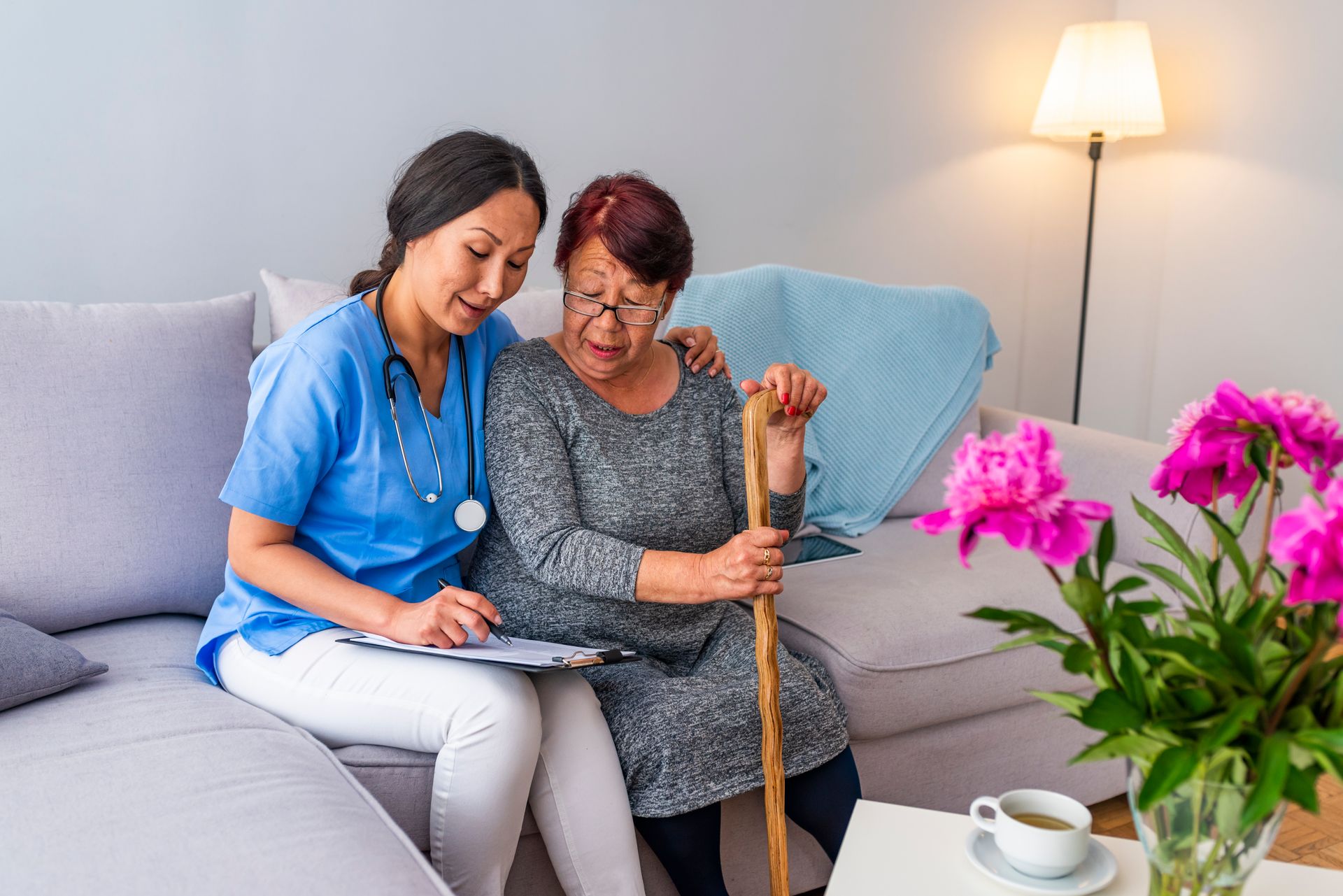
Many families in the Greater Toronto Area are noticing that seniors who have spoken English for decades begin reverting to their first language as they age. This shift is especially common among older adults living with dementia or other cognitive changes. For families seeking reliable Home Care, Senior Care, or Dementia Care, understanding why this happens—and how to support a loved one through it—is essential.
At the same time, the GTA is facing a shortage of multilingual caregivers and PSWs, particularly in languages such as Italian, Portuguese, Spanish, Chinese, and Polish or Ukrainian. This shortage directly affects the quality of Caregiver Support for Seniors and the ability to match seniors with caregivers who can communicate in the language they now rely on most.
🌿 Why Seniors Return to Their First Language
A person’s first language is learned during early childhood, when the brain is forming its deepest and most permanent neural pathways. These early language memories are emotionally rich and strongly rooted.
A second language—especially one learned in adulthood—depends more on short‑term memory and active recall. As cognitive decline progresses, the brain naturally loses newer skills first. This means:
- English may become harder to retrieve
- The first language remains more accessible
- Emotional memories tied to early language stay strong
For seniors receiving Dementia Care, this shift is not a choice. It’s a neurological response to changes in memory, processing, and communication.
🧩 Dementia and Communication Changes
Dementia affects how the brain organizes thoughts, finds words, and processes information. As a result, seniors may:
- Mix English with their first language
- Understand English but respond in their original language
- Lose confidence speaking English
- Revert entirely to their childhood language
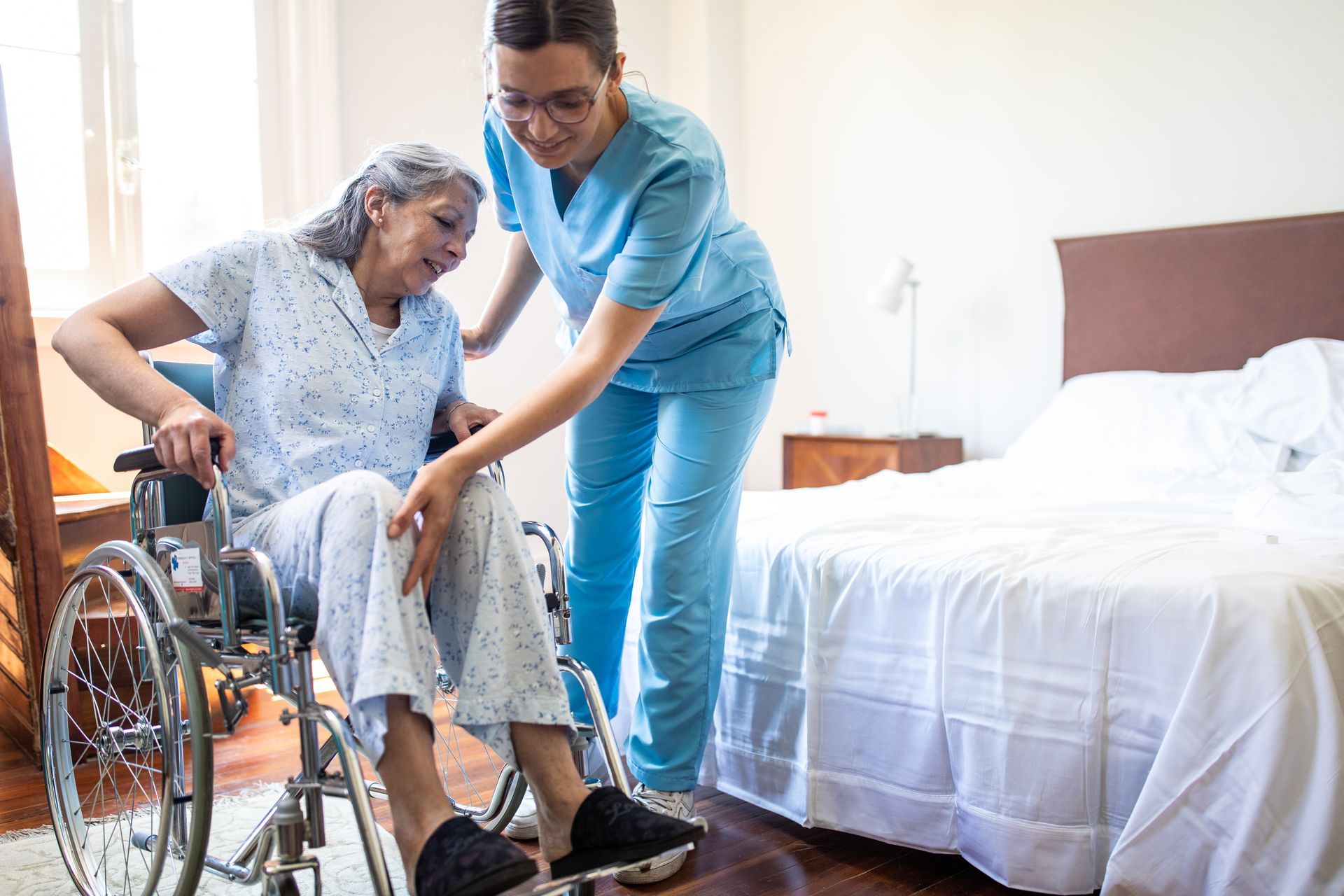
These changes can make daily Home Care and PSW Support more challenging, especially when communication becomes a barrier.
🌍 The GTA’s Shortage of Multilingual Caregivers
The Greater Toronto Area is one of Canada’s most linguistically diverse regions. Many seniors who immigrated decades ago built their lives in strong cultural communities—Italian, Portuguese, Chinese, Polish, and more.
But as these communities age, the demand for multilingual Senior Care and In‑Home Assisted Living is rising faster than the supply.
Families are increasingly facing:
- Difficulty finding caregivers who speak the senior’s preferred language
- Longer wait times for language‑matched PSW Support
- Increased confusion or agitation during personal care
- Reduced trust and comfort with unfamiliar caregivers
- Communication breakdowns that affect safety and dignity
For seniors living with dementia, language isn’t just a communication tool—it’s a lifeline.
❤️ How In‑Home Assisted Living Supports Language‑Sensitive Care
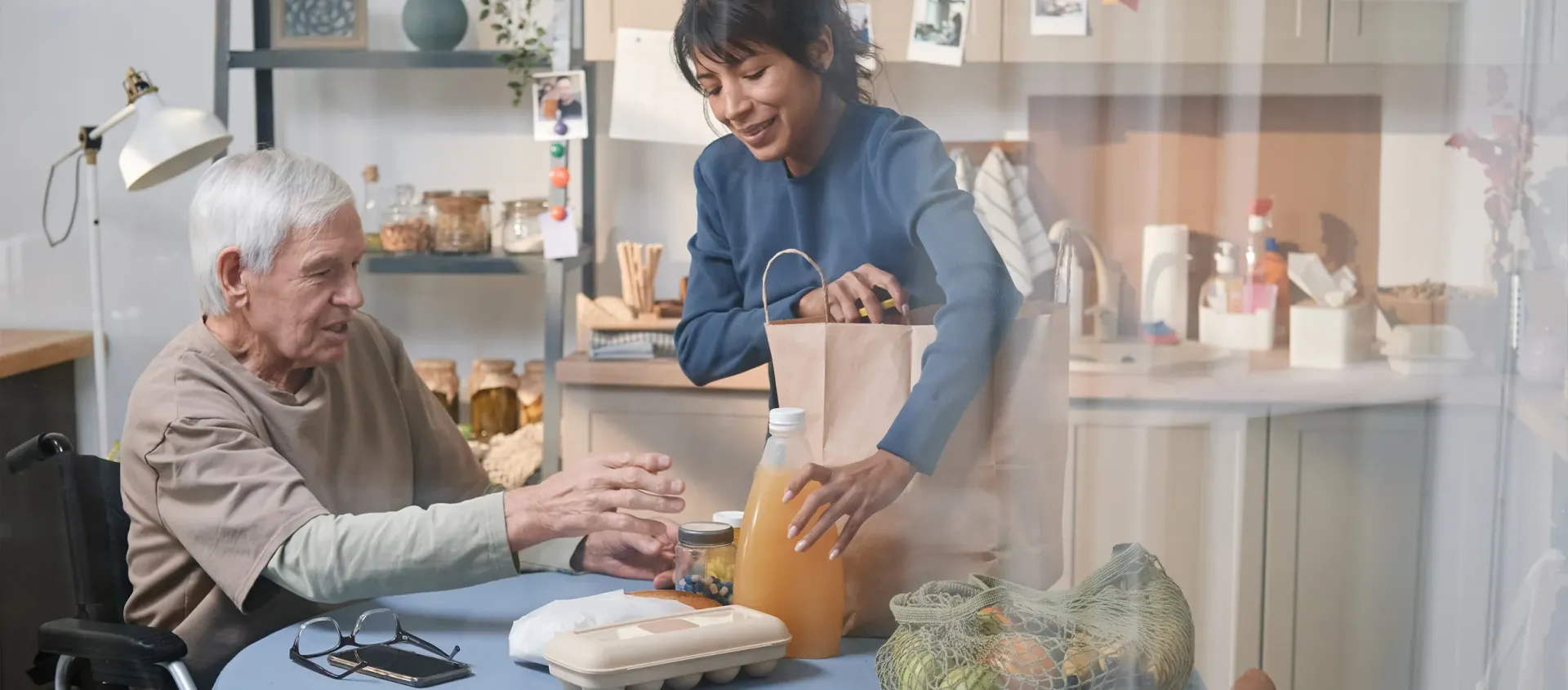
At In‑Home Assisted Living, we recognize how essential communication is to high‑quality Home Care and Caregiver Support for Seniors. While the GTA’s multilingual caregiver shortage is real, we recruit and interview everyday to maintain a pool of hundreds of caregivers in an effort to address the many possible combinations of language, location and schedule. We work closely with families to provide the best possible match.
Our approach includes:
- Matching seniors with caregivers who speak their first language whenever possible
- Providing PSWs trained in dementia‑friendly communication
- Using simple English paired with gestures, visuals, and routines
- Incorporating cultural cues—music, food, traditions—that feel familiar and grounding
- Offering consistent caregiver support. We assign dedicated and compassionate caregivers who build trust and rapport over time
Even when a perfect language match isn’t available, thoughtful strategies can significantly improve comfort, safety, and emotional well‑being.
💬 Supporting Your Loved One Through Language Changes
If your loved one is reverting to their first language, you’re not alone. This is a natural part of aging and cognitive change, especially for seniors receiving Dementia Care.
With the right support, seniors can continue to feel understood, respected, and connected.
To learn how In‑Home Assisted Living can help your family navigate language changes and f the right Home Care or PSW Support,
Call: 416.595.5888
Email: care@ihal.ca
Or request information by clicking here: Contact US
These Blogs are written by Steve Jones, President of In-Home Assisted Living Inc. The topics and content reflect the everyday discussions that Steve and the Care Managers at In-Home Assisted Living have with families about their needs and concerns.